

Updated: Aug 2026
I’ve gotten quite a few emails over the years from tourists who stumble across this blog looking for information on renting a house in Goa. So let’s deal with the most common questions, once and for all:
Should I stay in a hotel or a vacation home? Where? How much is a reasonable price to pay? And how can I be sure I’m not getting fleeced?
Whether you’re a domestic tourist coming for a long weekend or someone escaping a long, snowy winter for four to six months, it all comes down to three things:
- Your budget
- The time of year
- What kind of traveller you are (the hotel-pool-sightseeing kind, or the local adventurer)
Let me guess – you want something “inexpensive because you’ll be out on the beach all day and just need a place to sleep at night.” Or you want the “cheapest accommodation possible with all amenities, Wi-Fi, swimming pool, safety, maid, cook, circus acrobat and more.” Don’t we all.
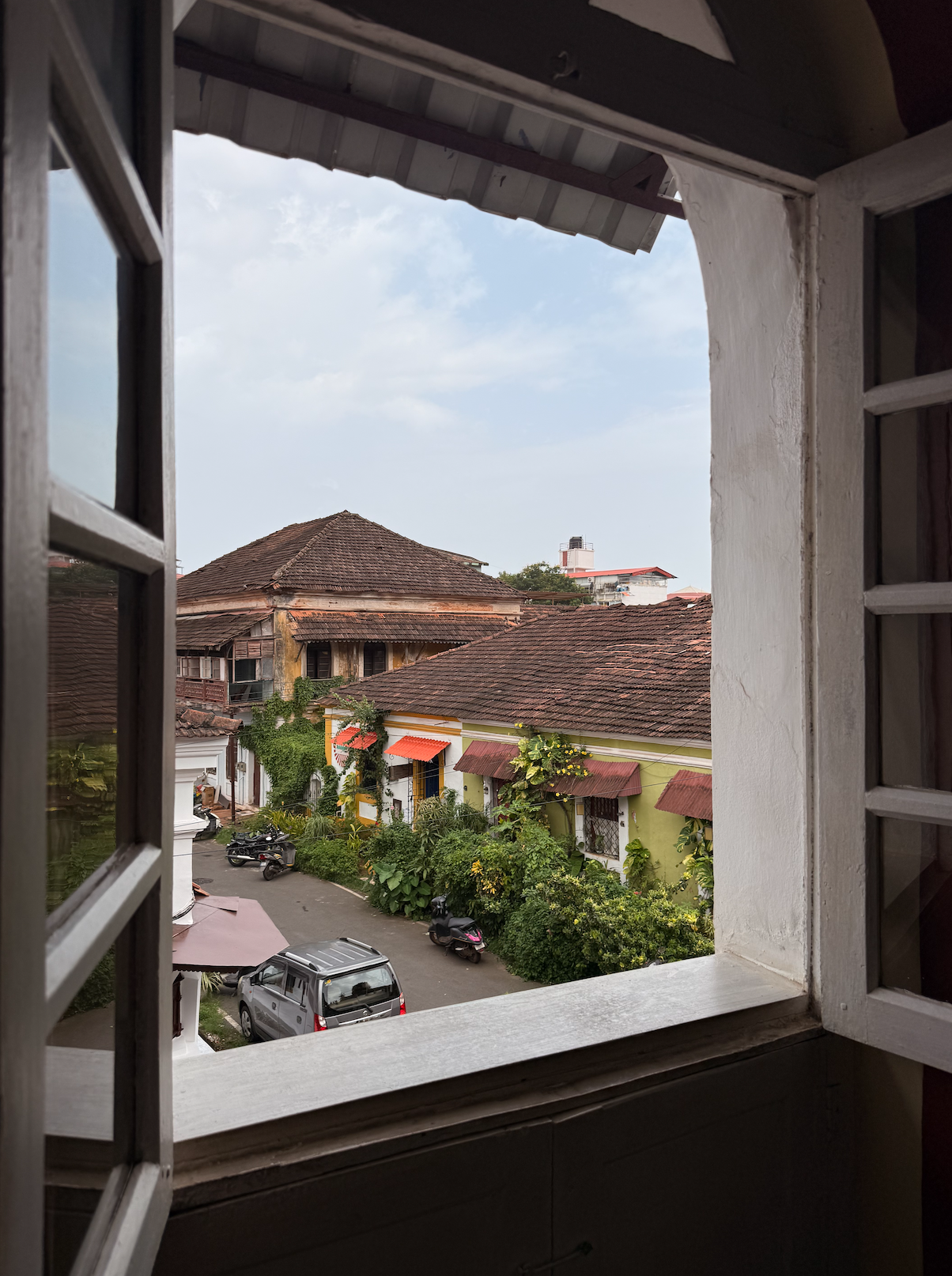

As a local, I can tell you one thing: Goa was never cheap. Being a tourist destination, prices for everything is more than it should be, which is why most middle-class and below locals struggle to live a comfortable life. Goa used to be known for cheap alcohol and petrol, but today, in 2026, even those aren’t cheap anymore.
Where to Book: What Actually Works in 2026
The landscape here has shifted a lot. A decade ago, OLX and Quikr were the default places to go to when you wanted to rent a house in Goa lon-term. They still technically exist, but the real long-term rental market in Goa now runs through a mix of channels, each with its own trade-offs.
Airbnb (monthly stays) has become a genuinely solid option for longer bookings now, not just short holiday lets. You get verified listings, in-platform payment protection, and flexible move-in/move-out dates without the paperwork of a traditional lease. The trade-off is a service fee, and monthly Airbnb rates in Goa are usually higher than what you’d negotiate directly with a landlord. Here are some Airbnbs in Goa I’ve stayed at.
Facebook groups are still the fastest, cheapest way to find a place, and haven’t really been replaced by anything better. Search for Goa-specific rental groups (North Goa and South Goa tend to have separate ones) and you’ll find homeowners posting directly, alongside groups where you can post your own requirements. You’ll spot the agents quickly – they’re the ones commenting on nearly every single post in the feed and the ones who DM asking about your requirement instead of telling you about the place they have. A quick chat and exchange of contact details, and you can often skip paying a cut entirely. Groups like Offbeat Goa Stays, South Goa Rentals, and Flats and Flatmates, are good places to start looking when you’re renting a house in Goa, but honestly, there are dozens of great, active groups you will find.
Instagram has quietly become another real channel for finding a Goa rental, alongside Facebook groups. Search hashtags like #goavillarental or #goalongtermrental, or look up dedicated accounts that have built genuinely large followings specifically around long-term and holiday rentals, often at prices lower than Airbnb since there’s no platform fee baked in. The trade-off is the same as with Facebook: no built-in payment protection or verification, so the same due-diligence rules apply – ask for a video walkthrough, check for reviews or past-tenant contacts, and never wire a large deposit to someone you’ve only spoken to over DM.
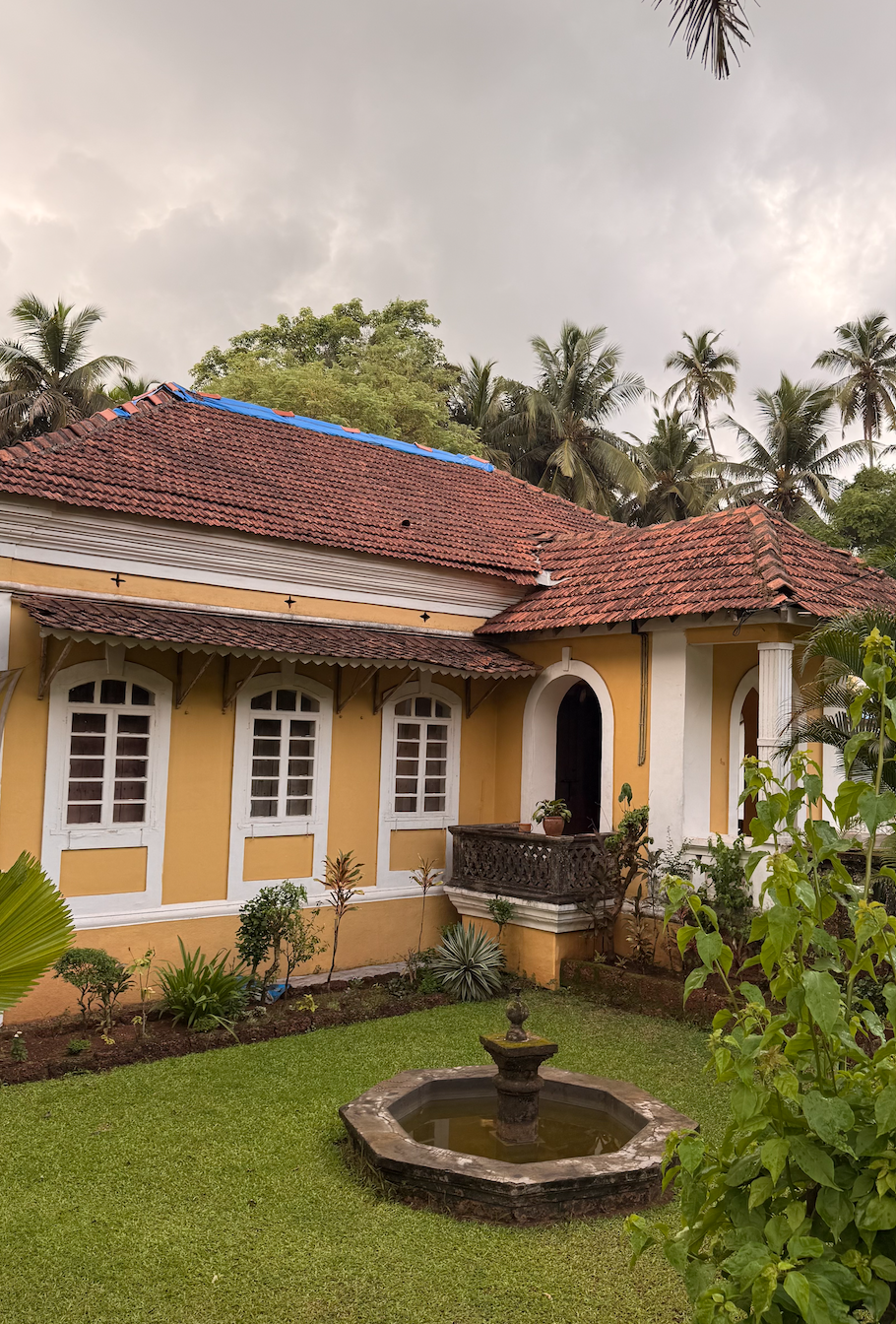

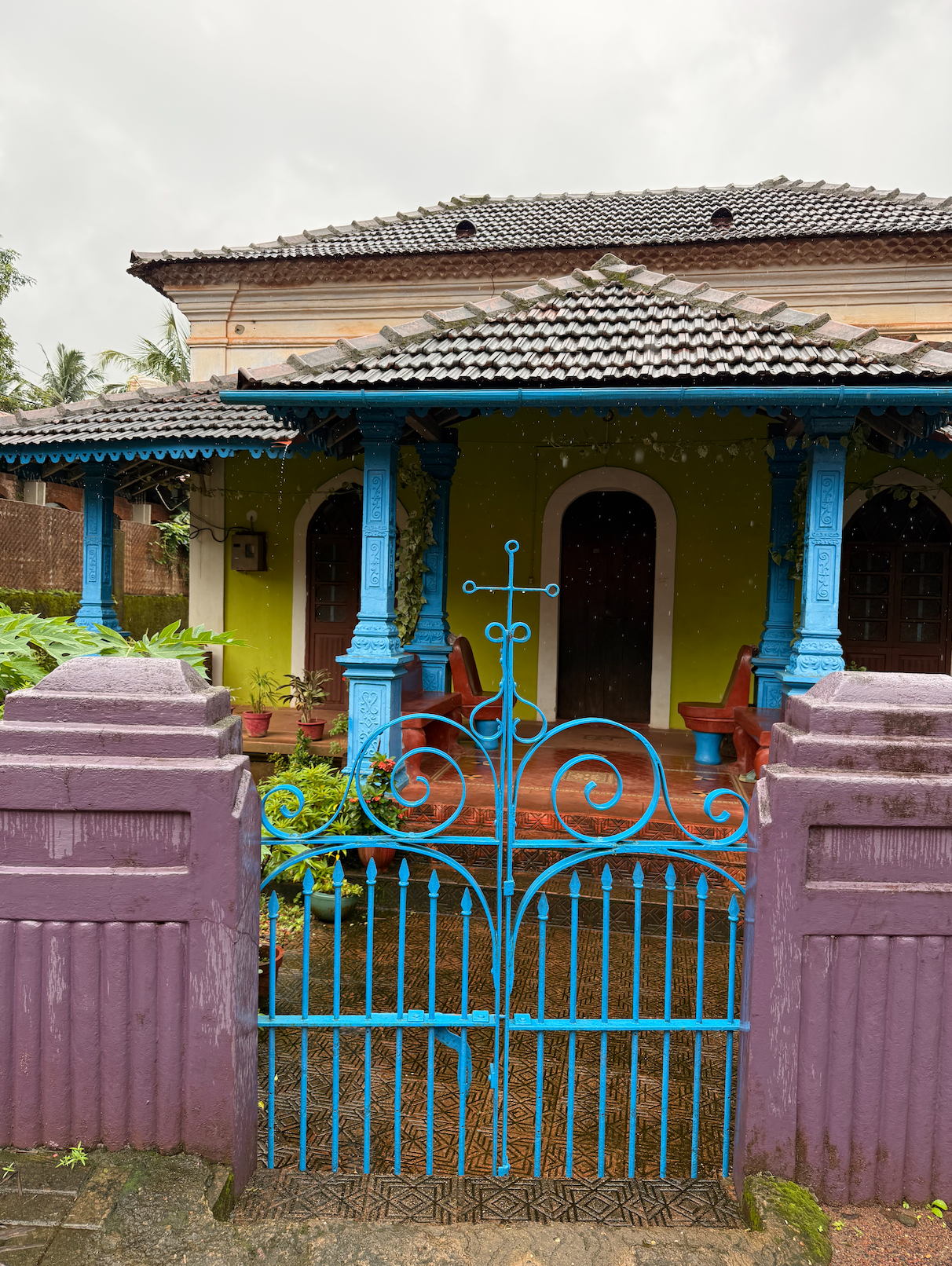

Dedicated property sites like Housing.com, NoBroker, and Goa-specific rental agencies now also list long-term properties with more transparency than the old classifieds ever offered – verified listings, photos, sometimes even virtual walkthroughs. Worth checking alongside Facebook groups rather than instead of them.
OLX and local classifieds still exist and still work, but you’ll wade through more agents and brokers than direct owners. If you use OLX, expect to pay a broker’s cut – anywhere from ₹3,000-20,000 for a short stay (depends on where and how luxurious the space is), or up to a month’s rent for a long-term lease.
Once you find a place through any of these, always ask for contact details of previous tenants if you can, or look the property up for reviews online. It takes ten extra minutes and can save you a genuinely bad experience.
How Much Will I Actually Have to Spend? (2026 Pricing)
This depends heavily on season, location, furnishing level, and group size – so don’t get excited when you hear about something suspiciously cheap. Here’s a realistic breakdown for 2026:
Portuguese-style villas and independent houses A furnished Portuguese-style villa or independent house now typically runs ₹85,000 to ₹1,50,000 per month, depending on size, location, and whether it comes with a garden or pool. This is a significant jump from a few years ago – Goa’s long-stay rental market has genuinely heated up, driven partly by the rise of remote work and digital nomads choosing Goa as a base.
Apartments A fully furnished 1BHK apartment generally starts around ₹18,000–30,000 per month, with 3BHK apartments going up to ₹45,000 or more during peak season, higher again if there’s a pool or the building is in a prime location like Assagao or Candolim.
Interior villages vs. the coast If you’re willing to stay a little inland – Siolim, Saligao, Aldona, or interior South Goa – basic furnished 1BHK villas with a garden can still be found from ₹18,000–30,000 a month, noticeably cheaper than anything directly on the main beach strips.
Unfurnished or basic properties An unfurnished, dated, or more isolated villa can still be found for ₹30,000–45,000 off-season. Electricity, water, and cooking gas remain your responsibility, and can run ₹2,000–3,000 a month upward, more if you’re running A/C regularly, which – let’s be honest – you probably will be.
Short stays (a few days to two weeks) Daily tariffs still exist for shorter stays. You can find something extremely basic for a couple starting around ₹1,500–2,500 a day. For a well-furnished place with proper amenities, expect ₹3,500–10,000 a day for a couple, and more for a family or group, especially if there’s a pool involved. There is no upper limit to how high this can go – while I gasp at how high the rates have shot up to, rich Indian tourists don’t raise an eyebrow when they hear a quote of Rs. 85,000 per day (yes, per day – no typo there) – during Goa’s seasonal peak, in December.
Prime micro-markets If you want a specific benchmark: Assagao has become Goa’s most sought-after address, with luxury villas commanding serious premiums, and short-stay rentals in Morjim, Ashwem, and Anjuna-Vagator now regularly hitting ₹40,000-50,000 a night in peak season for higher-end properties.
Paying in Advance when Renting a House in Goa
The travel and tourism industry runs on a “part payment in advance” model, largely to protect owners from last-minute cancellations. If you’re not comfortable with that, you can always book a hotel for your first week and house-hunt in person – you’ll spot plenty of “Rooms to Let” signboards as you explore. For long-term rentals, expect to pay one month’s rent as a refundable security deposit, sometimes alongside an advance.
Do Foreign Tourists Need to Register Anywhere to Rent in Goa?
If you’re a foreign national who’s planning to stay in Goa for to escape winter… the usual “4-6 months” scenario – there’s a legal registration requirement worth knowing about, separate from anything to do with your landlord or lease.
The basic rule: most short-term tourist visas of 180 days or less don’t require any registration at all. But if you enter India on a visa valid for more than 180 days, or you end up staying continuously beyond 180 days, you’re required to register with the FRRO (Foreigners Regional Registration Office) or FRO (Foreigners Registration Office). Goa actually has its own FRRO office, so this isn’t something that requires a trip to Delhi or Mumbai.
Timing matters, and the rules just got stricter. As of June 2026, the government tightened this significantly – if you intend to stay beyond 180 days, you now need to complete registration before you hit that threshold, not within a grace period afterward like the old rules allowed. Missing this isn’t just a paperwork inconvenience; it can mean penalties, complications at the airport when you try to leave, and in serious cases, prosecution under immigration law.
The process itself. Registration is handled through the e-FRRO portal (indianfrro.gov.in) and is largely digital now – so most people won’t need to visit an office in person. You’ll need your passport, visa details, and proof of your Indian address, which is where your rental agreement or a letter from your landlord actually becomes useful beyond just the lease itself.
One thing that catches people off guard: your landlord has obligations too. Separately from your own FRRO registration, Indian hosts – including homestay owners and anyone renting to a foreign national – are required to submit what’s called a C-Form every time a foreign guest checks in, regardless of visa type. If you’re renting from someone who’s never hosted a foreign tenant before, don’t assume they know this. It’s worth mentioning it upfront, partly to protect yourself and partly to save both of you a headache later.
A few nationalities and situations are exempt or handled differently – OCI cardholders, children under 12, and a few other specific cases. Since immigration rules can and do change, always check the current requirements on the official portal or with your nearest FRRO office rather than relying on anything you read online, including this post, as the final word.
Once you’re done with the formalities, go grab a pint! I see a lot of UK tourists at these Goa craft breweries – so hop over and make some new friends to grab a cold one with! One of them even has great Sunday roasts!
Where to Stay in Goa
If you want peace and quiet, head south. Patnem and Palolem are the most popular choices for that laid-back, slower pace.
North Goa has more tourist activity and a much wider variety of accommodation options. Anjuna, Arambol, and Vagator are still the places to be if you’re drawn to the old trance, hippy scene – just know these are crowded, high-energy areas, and you’ll need to be okay with that.
Along the coast, Calangute, Candolim, and Baga remain the trendier picks, packed with eateries and entertainment. These areas do see UK tourists during the season time (Nov-Feb), but domestic tourists far outweigh them, and the food, music and vibes have drastically shifted to suit the the latter.
Saligao and Siolim, further inland in North Goa, offer something different entirely — a village-like vibe with trees, lakes, and fields, while still being close enough to the coast and to Panjim to feel connected. Assagao has increasingly joined this category too, though it now comes at a real price premium given how much attention (and investment) it’s attracted in the last few years.
Renting a House in Goa – 8 Things to Keep in Mind
Old houses, old quirks. Old Goan houses have beautiful wooden doors and shell windows, which means they’re not completely sealed around the edges. Expect humidity indoors and salt air that can be tough on electronics – Indian appliances tend to be sturdy enough to handle it, but don’t bring anything too precious without a backup plan.
Monsoon-specific realities. If you’re renting during the monsoon (roughly June to September), check for leaky roof tiles before you sign anything – landlords don’t always volunteer this information. Expect more frequent power cuts, occasional flooding on low-lying roads (parts of Panjim and several coastal areas included), and a general dampness that settles into furniture and walls if the place isn’t well-ventilated. It’s all part of the experience, but it helps to know what you’re signing up for.
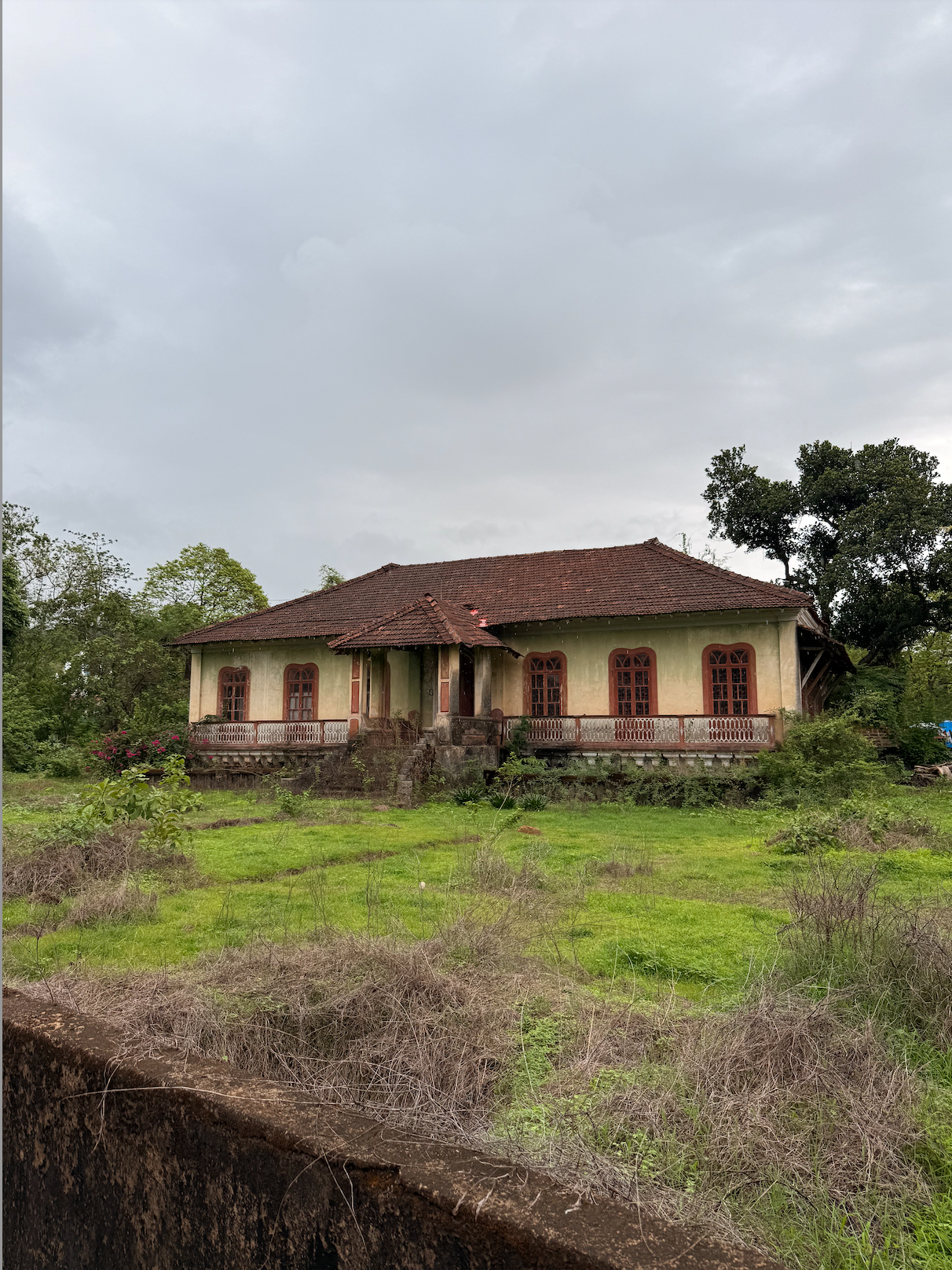

Water supply. Many homes, especially villas and older independent houses, rely on borewells or only get municipal water at set hours of the day. This is one of the most overlooked questions tourists forget to ask – confirm the water situation before committing, especially for a longer stay.
Power backup. Power cuts are common enough across Goa that whether a property has an inverter or generator backup genuinely matters, particularly if you’re working remotely and can’t afford to lose internet access mid-call. Always ask.
Snakes. Not something that comes up often, but I’d be doing you a disservice not to mention it – if you’re renting somewhere surrounded by trees and fields, don’t be shocked if you get a slithering visitor now and then. Goa is, after all, still very much nature-adjacent even in its more developed pockets.
Village etiquette. If you’re renting in a residential village rather than a gated complex or tourist strip, you’re entering a genuine community, not just a property. Loud parties, constant footfall of guests, and general disregard for neighbours will get noticed – and remembered. Landlords in these areas often want to actually meet you before renting, and some prefer families or working professionals over large groups of young travellers. It’s a more personal process than the instant-book world of Airbnb, and worth approaching with that mindset.
Feast days and processions. Goa’s village calendar is dotted with church feasts and temple festivals that can mean road closures, processions passing right by your rented house, and local shops shutting for the day. These aren’t emergencies – they’re part of life here – but they can catch a new renter off guard if no one mentions them in advance.
Pets and strays. Expect community cats and dogs to treat your balcony or gate as fair game – it’s just how things work here. If you’re planning to bring your own pet, don’t assume every landlord is on board; it’s worth confirming upfront rather than after you’ve unpacked.
Digital Nomad Considerations when Renting A House In Goa
Goa’s long-stay renter base has shifted a lot in the last few years, with more and more people renting specifically to work remotely rather than just holiday. If that’s you, a few extra things are worth checking before you commit:
- Wi-Fi reliability varies significantly by area. Fibre broadband has expanded across much of North Goa, but pockets – especially further inland or in older village homes – still rely on patchier connections. Ask the landlord directly what provider they use and whether it’s fibre or a wireless connection, and if possible, ask to test the speed before signing anything long-term.
- Power backup matters even more here than for a typical holiday-maker, for obvious reasons – see above.
- Co-working spaces have multiplied. North Goa in particular now has a genuine cluster of co-working spots, useful both for a stable connection and for the built-in social scene if you’re staying solo for a while.
- Noise levels differ hugely by property. A beachside villa near a popular strip can mean music and traffic noise well into the night; an inland village home is usually far quieter, which matters a lot if you’re on client calls during the day.
Red Flags When House-Hunting in Goa
A few things worth watching for, learned the hard way by more than a few tourists over the years:
- Suspiciously low prices. If a deal looks too good relative to everything else you’ve seen, it usually is. Sometimes it means the photos are outdated or misleading; sometimes it means the property has issues that aren’t obvious until you arrive.
- Agents who won’t let you meet the actual owner. A legitimate broker will connect you eventually. One who keeps stalling or insists on handling everything themselves, with no direct owner contact, is a reasonable thing to be wary of.
- Photos that don’t match reality. Ask for recent photos, ideally with a date visible, or a quick video call walkthrough before sending any advance payment, especially if you’re booking from abroad and won’t see the place until you land.
- Vague answers about what’s included. If a landlord can’t clearly tell you what’s covered in the rent versus what you’ll be billed for separately, get it in writing before you commit. Ambiguity here almost always resolves in the landlord’s favour, not yours.
- Pressure to pay the full amount upfront, especially to someone you’ve never spoken to on a call. A reasonable partial advance is normal practice here. Being pushed to pay everything before you’ve had any real conversation with the person is not.


What’s Included vs. What You’ll Pay Extra For
“Furnished” means wildly different things depending on who’s listing the property, so it’s worth getting specific before you assume anything:
- Usually included in the rent: basic furniture, kitchen appliances, sometimes housekeeping or a maid a few times a week (more common in higher-end villas), parking, and garden maintenance if there is a garden.
- Usually billed separately: electricity (often metered separately and can spike fast with A/C use), water if it’s not municipal-supplied, cooking gas refills, Wi-Fi (not always included, especially in longer-term independent house rentals), and pool maintenance if there’s a pool involved.
- Worth clarifying specifically: whether housekeeping is included or optional, whether the property comes with a cook (more common than you’d think for longer stays, especially with Goan homeowners), and what the actual deposit-return process looks like when you move out.
Getting all of this in writing, even as a simple WhatsApp message thread, saves a lot of awkward conversations later.
Guest Houses Over Hotels?
Yes – I’m all for the “live like a local” philosophy. Good hotels give you everything at the touch of a button, but there’s something genuinely special about a proper homestay. Friendly neighbours, the baker’s horn at your door each morning, the fisherwoman’s call as she does her rounds, a random cat claiming your balcony, power cuts that drain your phone and force you to sit outside and actually notice the fireflies — all the small things that make Goa feel like Goa, rather than just another beach destination with better weather. Speaking of hotels, if you wish to stay in some South Goa, hotels, here are some of my picks.
Questions still unanswered? Comment below, email me, or tweet to me @ImGoanCrazy
Cya next time! xoxo