
The first thing that hits you in Mechuka is scale. Mountains that feel close enough to touch, valleys that drop away forever, and a silence that swallows sound.
This remote valley in Arunachal Pradesh doesn’t politely introduce itself – it kind of demands you notice it. Raw, vast, and completely unbothered by time. No crowds, no souvenir stalls, no one trying to sell you anything. Just remoteness that borders on uncomfortable, beauty that borders on overwhelming, and silence so thick it makes you listen to your own breathing.
2025 had been light on real travel for me – just food trails in Bangalore and a random Gujarat detour to see some lions. I needed something rugged, something that would make me feel the road, the cold, the air that stings your lungs. Mechuka gave me exactly that: bumpy drives, freezing nights, landscapes that shift with every cloud.
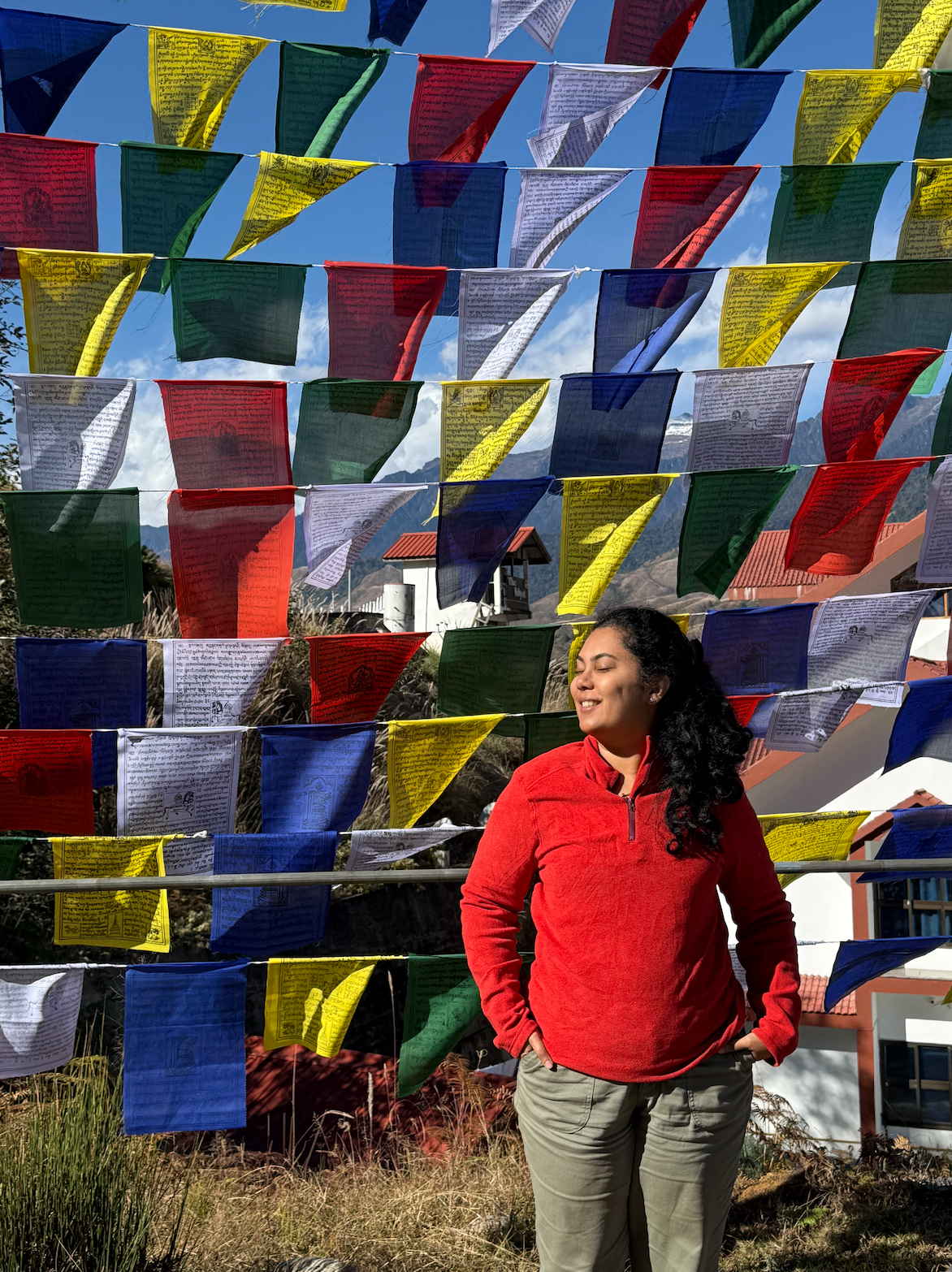
About Mechuka / Menchukha
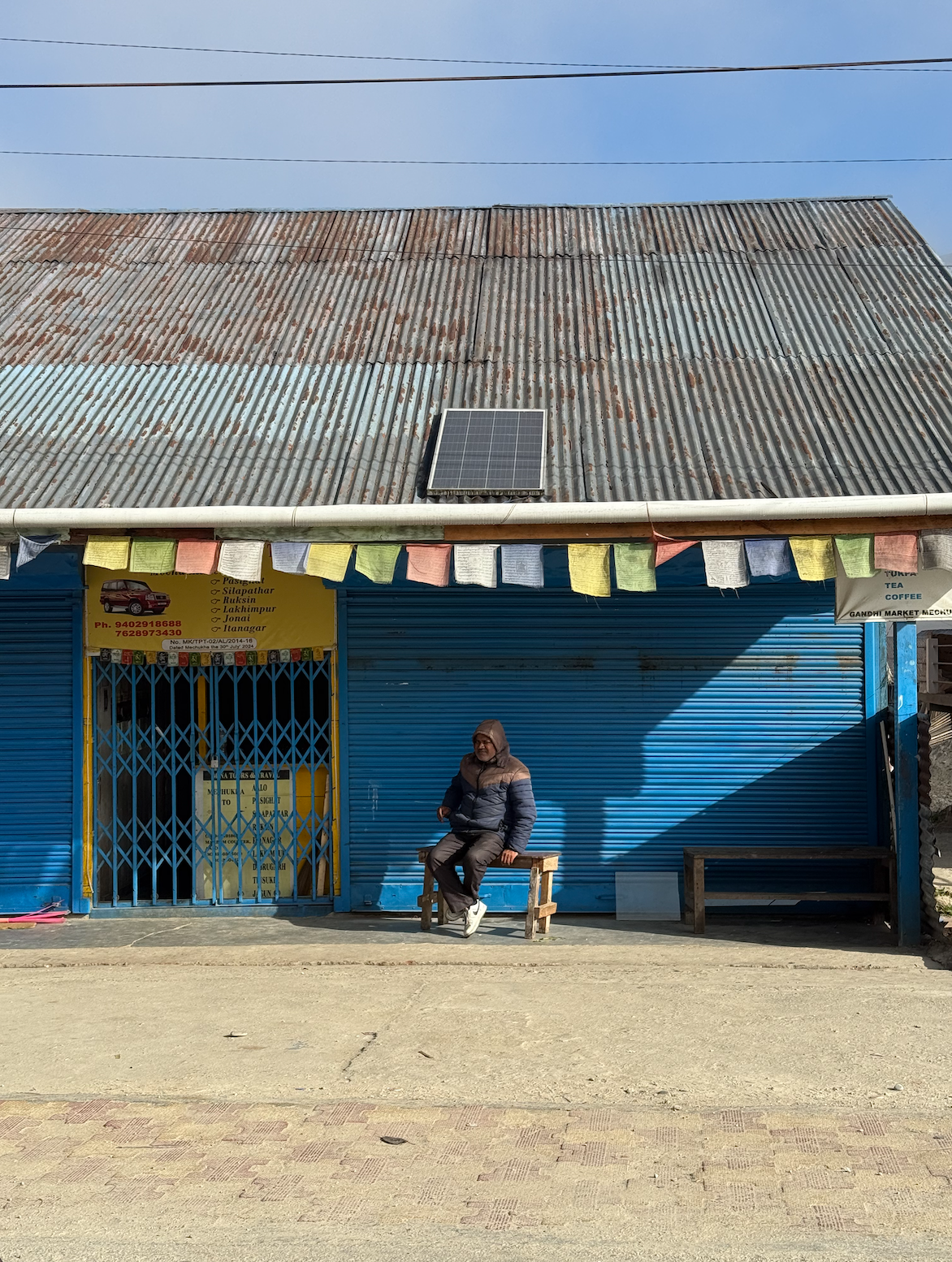
Mechuka (also spelled Menchuka or Menchukha) sits at around 6,000 feet in the Shi-Yomi district, a high-altitude valley, less than 30 kms from the Indo-China border. It is cradled by forests, snow-dusted peaks, and the crystal clear Siyom River (Yargyap Chu). It’s home to Memba, Ramo, and Bokar tribes, with wooden houses, prayer flags, and it has a quiet Buddhist presence. As of right now, it’s still raw: no crowds, no neon signboards, just the slow pace of mountain life and locals who greet you as if you’ve always belonged. Here, the sun and the locals rise early, and even in the winter, people are out and about, opening their shops, dropping their kids off at school, bundled in gloves and jackets.
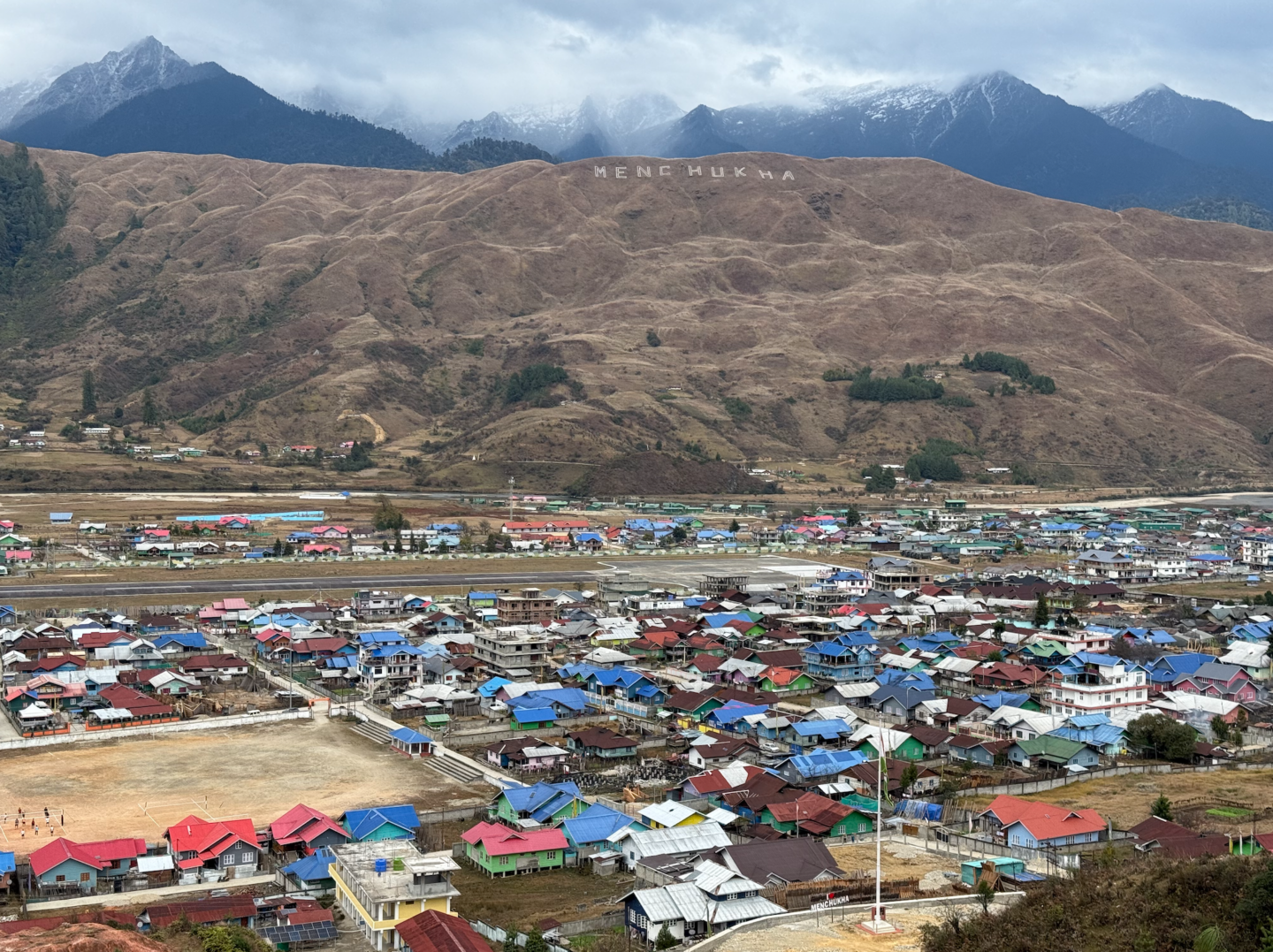
Getting to Mechuka
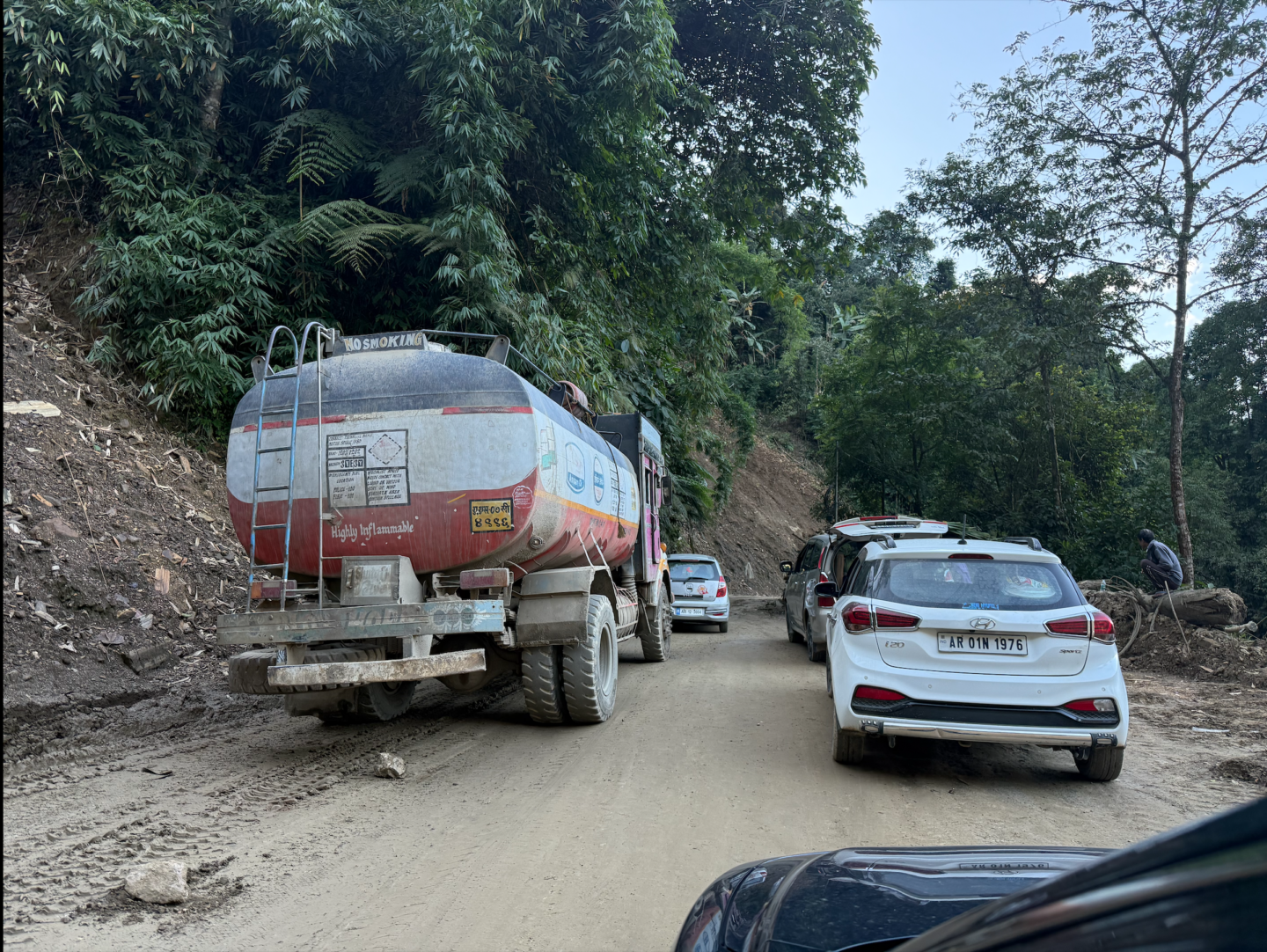
The drive from Aalo to Mechuka is roughly 180 km, but don’t let that fool you. It can take anywhere between 7 to 10+ hours (sometimes more) because the road is a mix of a few smooth stretches, a lot of broken patches, unpaved sections, slippery, muddy slush where one miscalculation can have you hurtling down the hillside, and those sharp mountain curves that force you to crawl. Oh, and road closures and landslides, too – we were at one such closure for over an hour.
I was in this part of Arunachal Pradesh for the North East Riders Meet in Aalo, which just concluded a day before I embarked for Menchuka, and I know for a fact that people traveling inwards to Aalo from Mechukha were stuck due to a landslide for 3 days. They missed the event, of course.
Route: Aalo – Pene – Tato – Mechuka.
- From Aalo to Pene – 100 kms
- Pene to Tato – 35 kms
- Tato to Mechuka – 47 kilometers
From Aalo, you start with about 70 km of decent highway, but after that, it gets rougher, steeper, and more remote. The route runs parallel to the river for almost the entire journey. So you’ll be treated to views of dense pine forests on one side, deep gorges cradling the river on the other, and high-altitude views. Fuel up in Aalo, carry cash, and pack snacks beyond chips and biscuits.
View this post on Instagram
Road closures are common near Pene due to construction for fixed hours every day. If you’re late, there’s a very basic homestay in Pene (basically a common room in someone’s house) and a few small shops. Eat here if you can- there are no reliable restaurants or open dhabas ahead. Food options drop off sharply after this point.
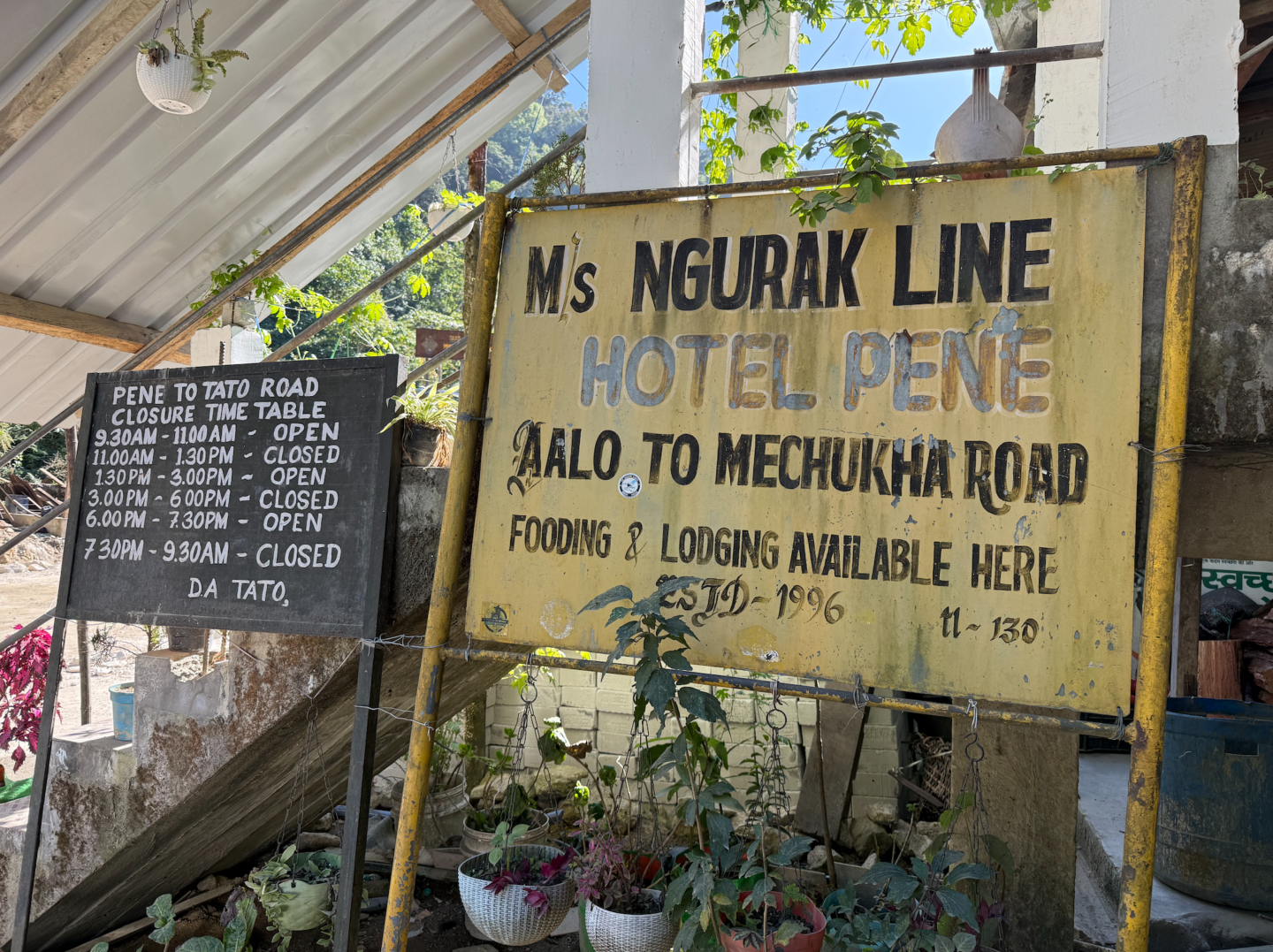
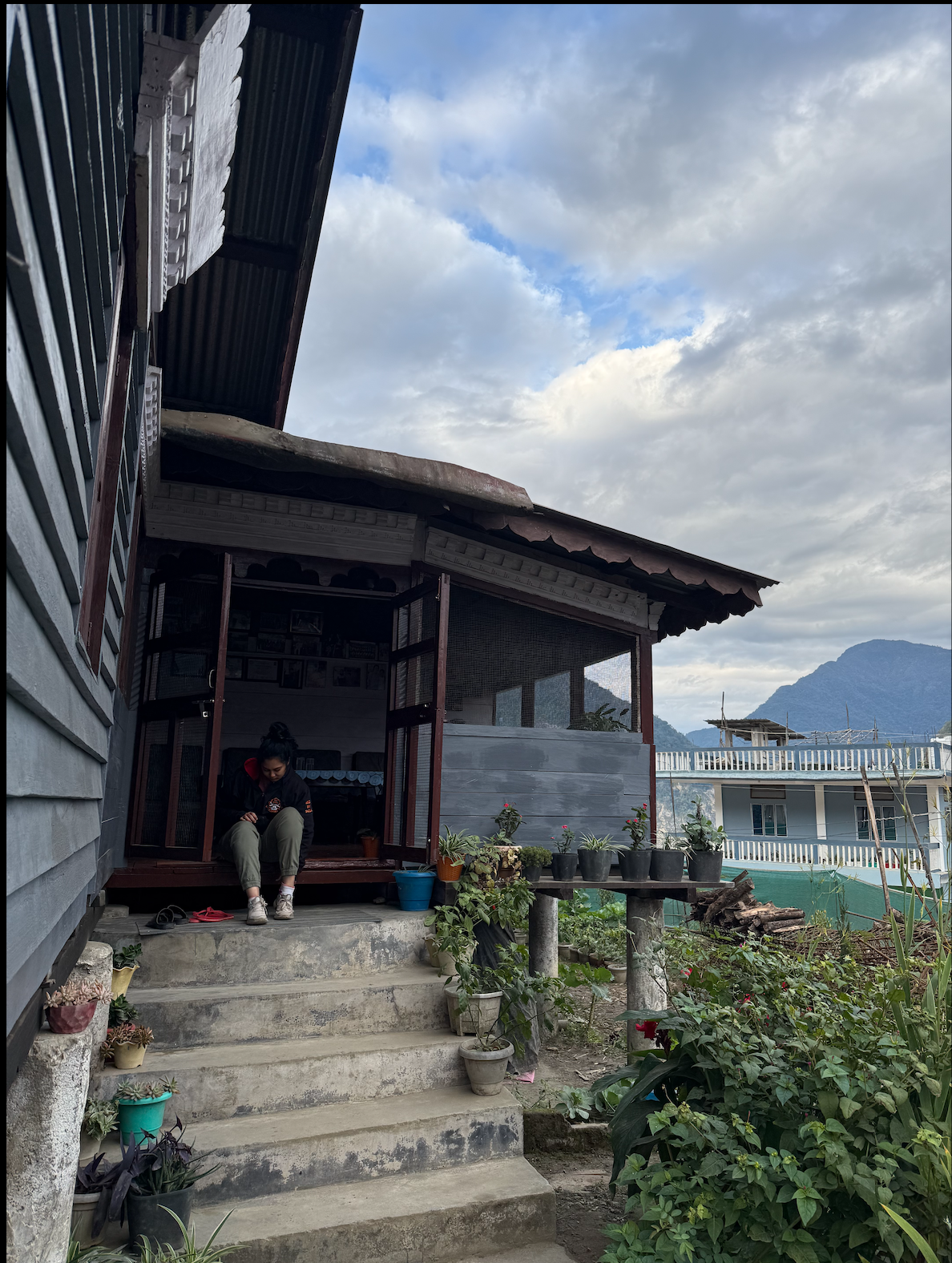
Onwards, from Pene to Tato is 35 km of rougher road. Because I left Aalo at 2 PM instead of in the morning (not the smartest move), I reached Tato around 8 PM, and due to the darkness, I had to stop for the night. Tato has only two hotels – both turned out to be full. The caretaker of the second hotel offered his own room out of kindness, but it was extremely dingy and dirty. We were mentally preparing to spend a cold, uncomfortable night in the car when we spotted a small homestay board up the road. We knocked, and got lucky: a family let us in just before they locked up at 7:30. One room left – no electricity (it comes every alternate day, inverter otherwise), no network, no hot water.
When we asked our hostess where we could go for dinner, she looked out of the window and stated that the only restaurant in the village had already closed (“it is late,” she said, “8 o’clock now”). She asked if we’d like some tea, and while we were looking forward to a hot meal at the end of the drive, we knew that this wouldn’t happen now… so we drank up the tea and headed to bed. The next morning was single-digit cold – and still no hot water even for brushing my teeth. When I asked, the little boy of the house nonchalantly handed me a kettle of water, heated by the fireplace. I’m sure he thought I was so posh for asking for hot water!
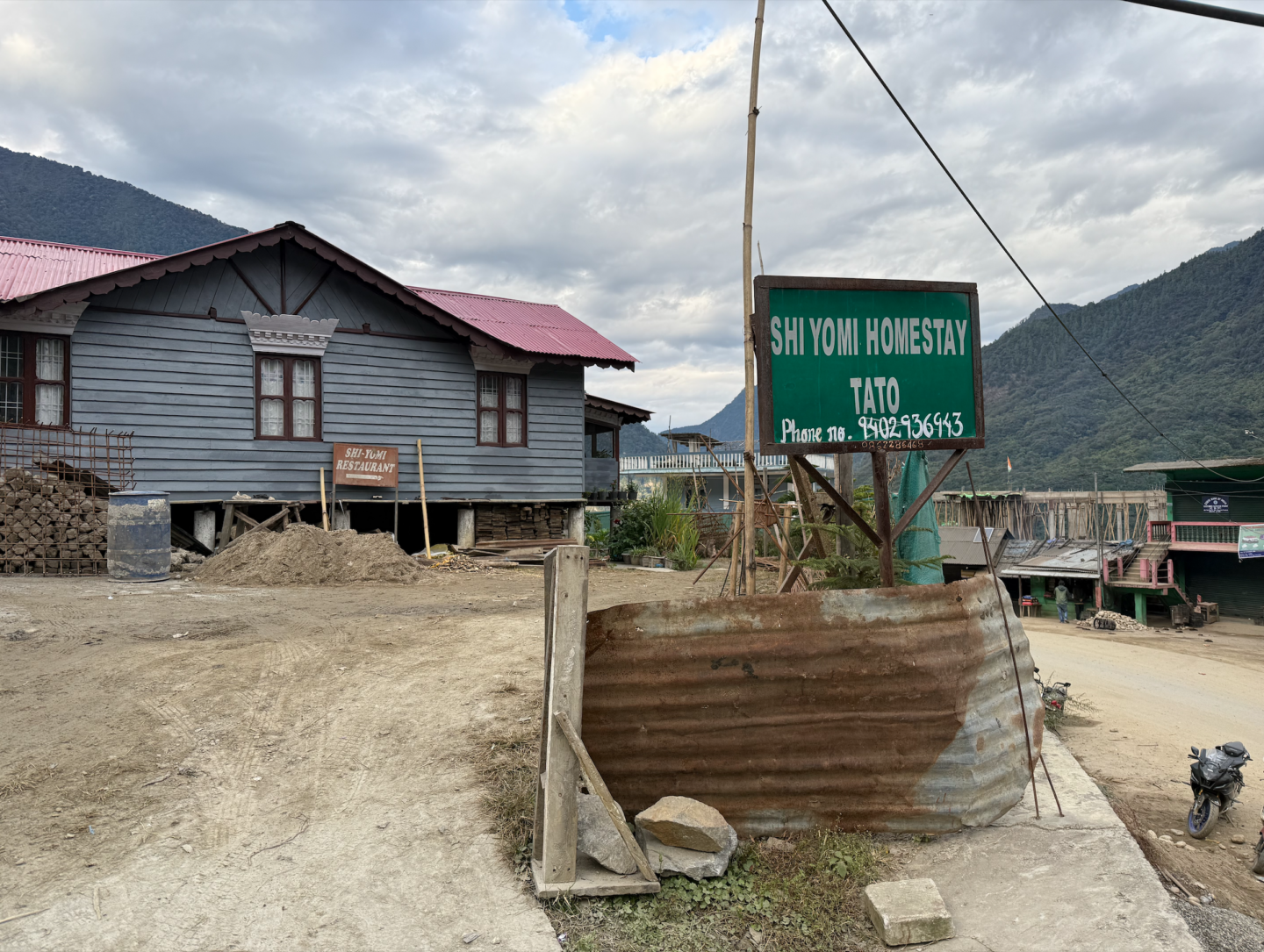
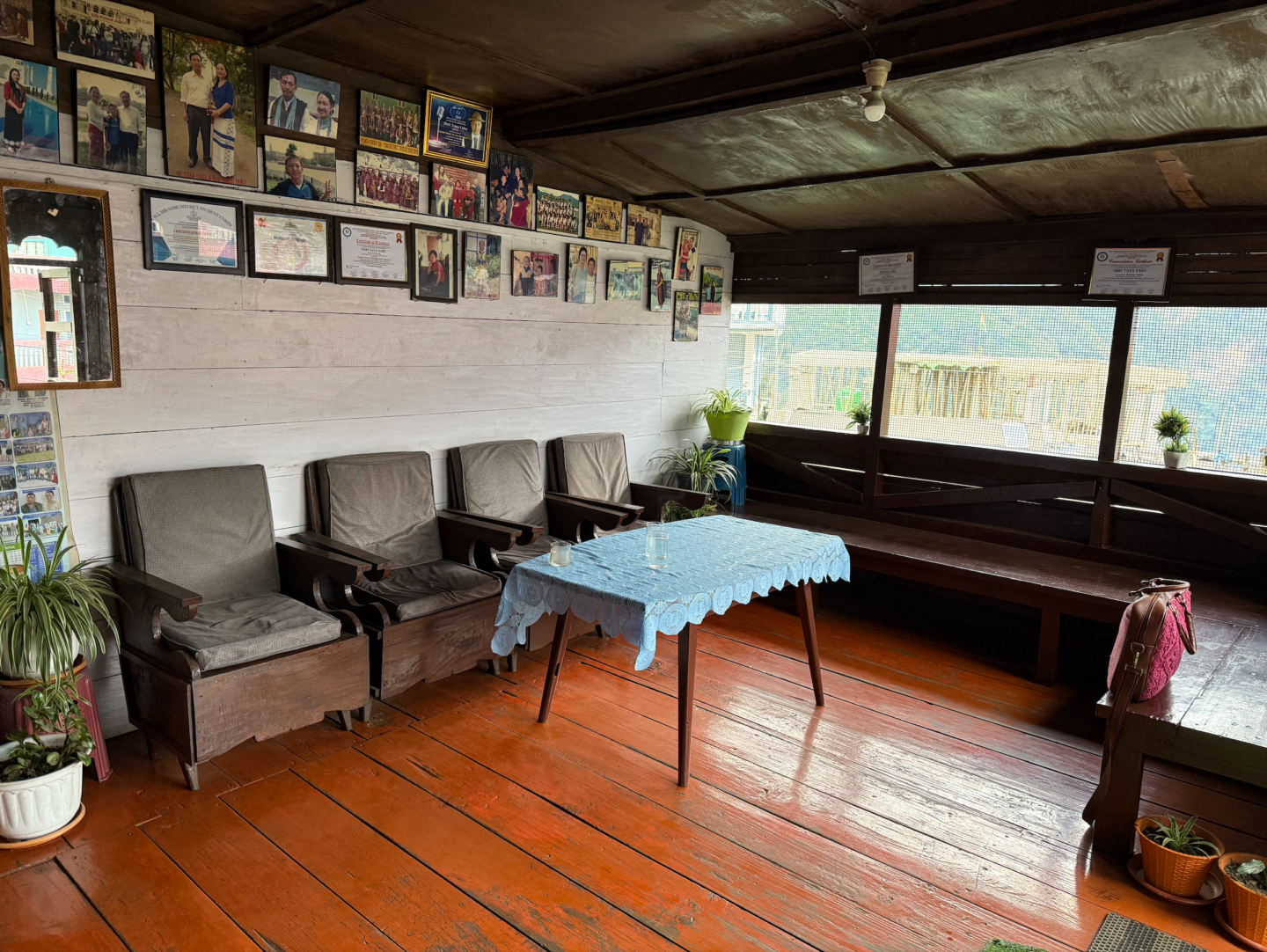
It was interesting to get a glimpse into the hard life of the people here, living without electricity or a phone network in this day and age. The photoframes in their open-air living room showcased a simple family through the generations, with one image having the lady who opened the door to us the previous night standing shoulder to shoulder with the legendary Mary Kom! We left this tiny, dusty town without breakfast or tea, munching on the leftover sugary-sweet packet cake we picked up in Pene.
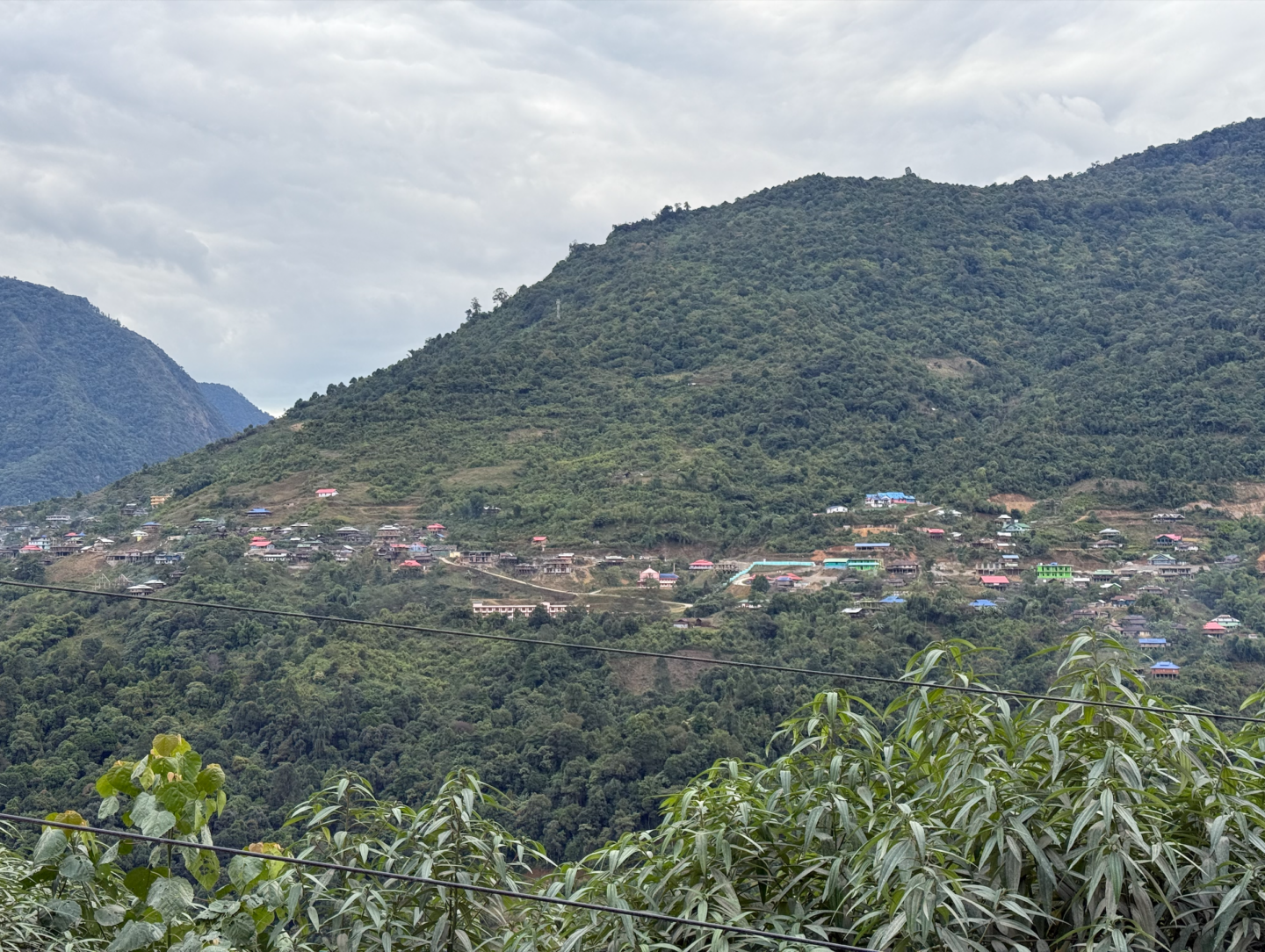
The last 47 km from Tato to Menchuka is broken in places, dangerous in spots, but some stretches are smooth. Army convoys and BRO road crews are a common sight; they’re building two-lane highways that should be finished by March 2026. Once that’s done, Mechuka won’t feel so remote – tourism will boom, so if you want the raw version, go now. There is no food or restrooms along this final leg, so plan stops well before dark and carry what you need. Remember, 8 PM is considered “late” here – don’t push it. Start early, stay patient, and enjoy the ride. The valley views are worth every bumpy kilometer.
That’s what my journey was like. You may find it helpful to know that there are no commercial flights to Mechuka – the nearest airports are Dibrugarh (DIB, 450 km away) and Guwahati (GAU, 800 km away). Dibrugarh is the most practical – good connectivity from major cities. From there, hire a taxi/Sumo to Aalo (overnight recommended) and continue to Mechuka. Occasional helicopter services under UDAN (Guwahati → Pasighat/Aalo → Mechuka) exist but are infrequent (often twice weekly) and weather-dependent.
How Many Days Do You Need in Mechuka
Mechuka is tiny – seriously tiny. In two days, you can easily cover the whole town twice over. Walk the main streets, visit the Samten Yongcha Monastery, stroll past the airstrip, drive out to the viewpoints along the Siang River, and circle back through the village lanes. The attractions are few, and the restaurants even fewer. If your goal is just to “tick” Menchuka off your list – snap the photos, say you’ve been – two days is enough. You’ll leave with the highlights and a sense of the place.
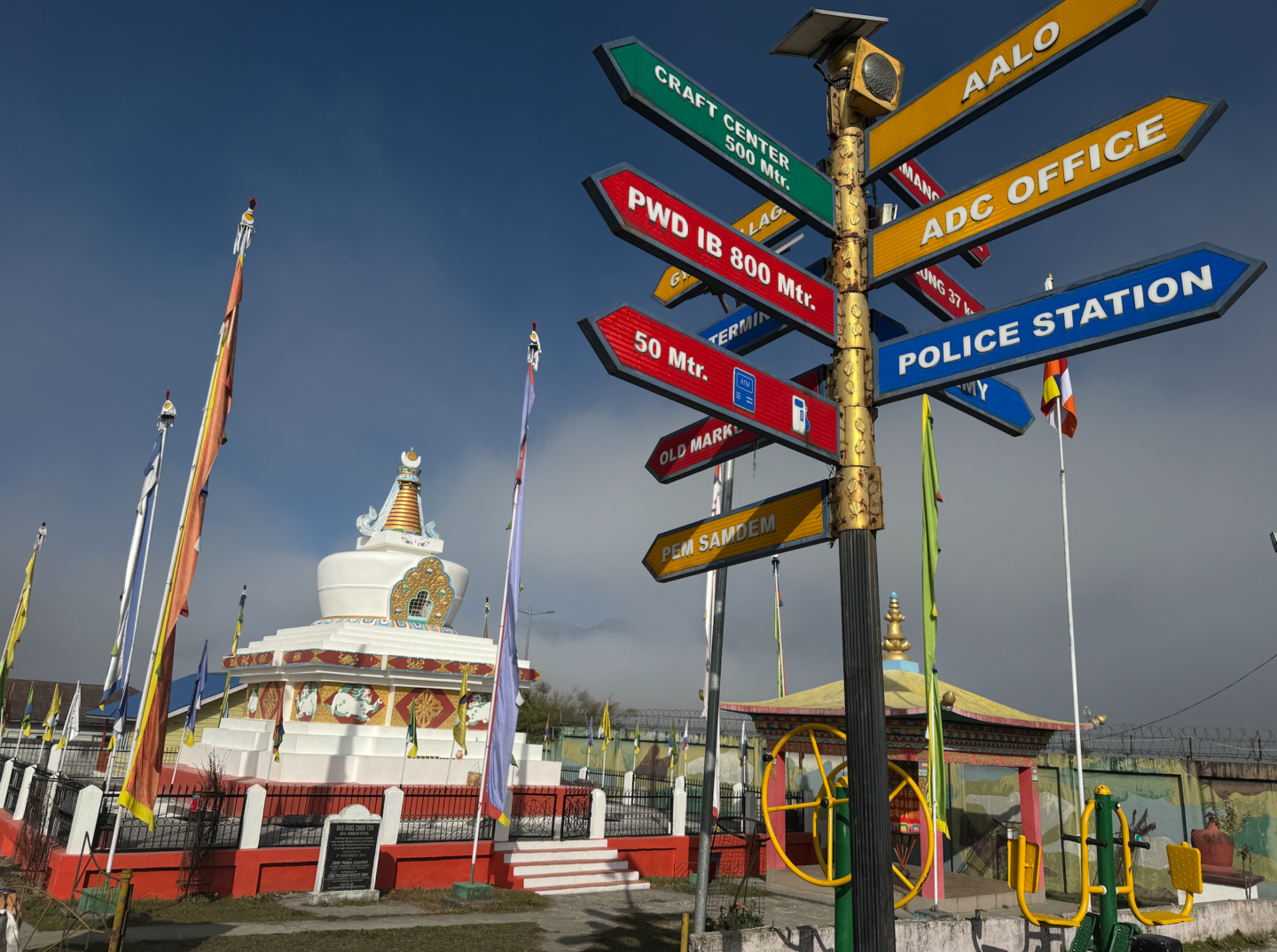
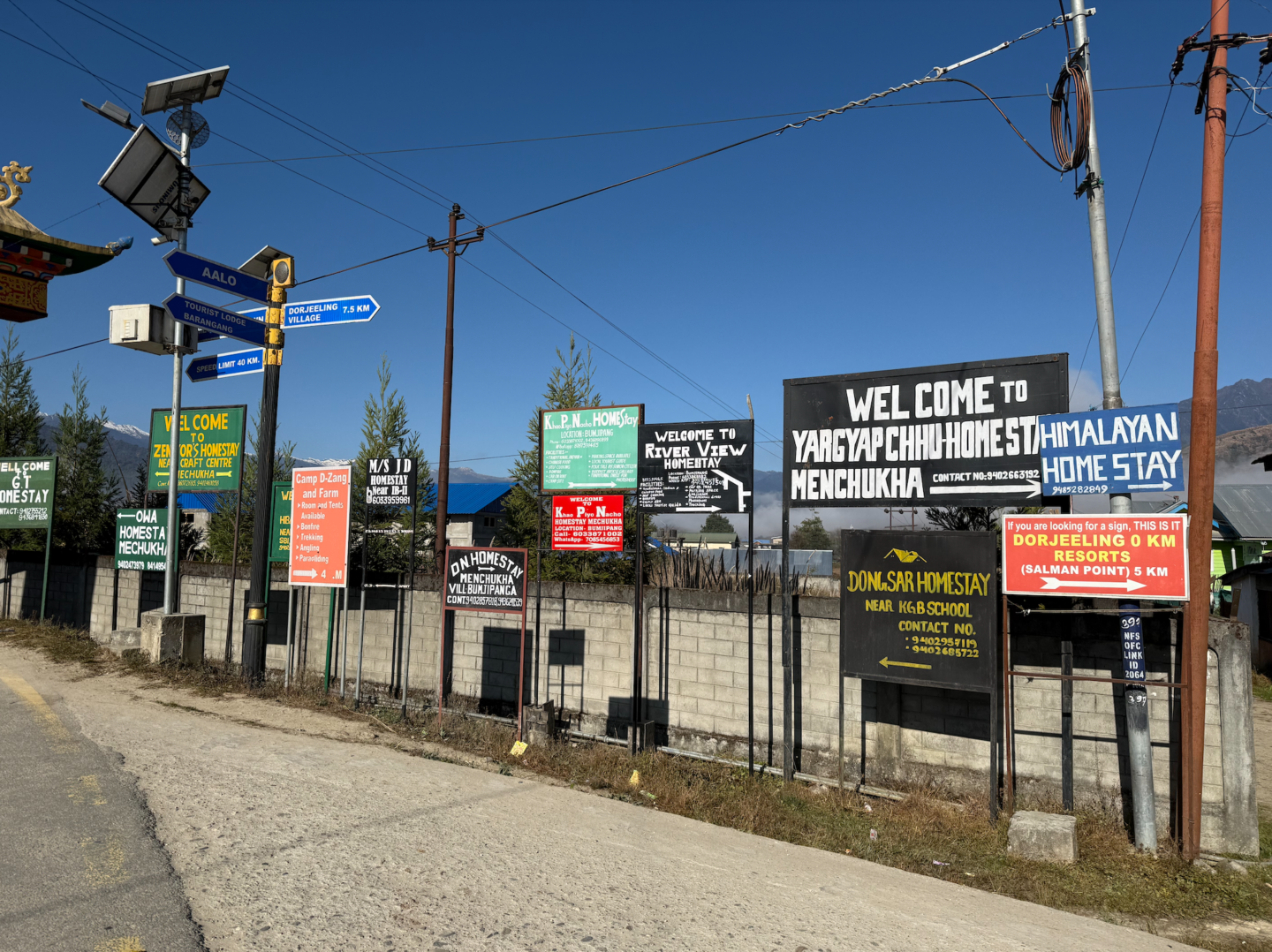
But if you’re asking me? Two days feel like a crime.
After grinding through those rough, remote roads to reach one of the most isolated and surreal corners of Arunachal Pradesh, Mechuka deserves to be lingered in.
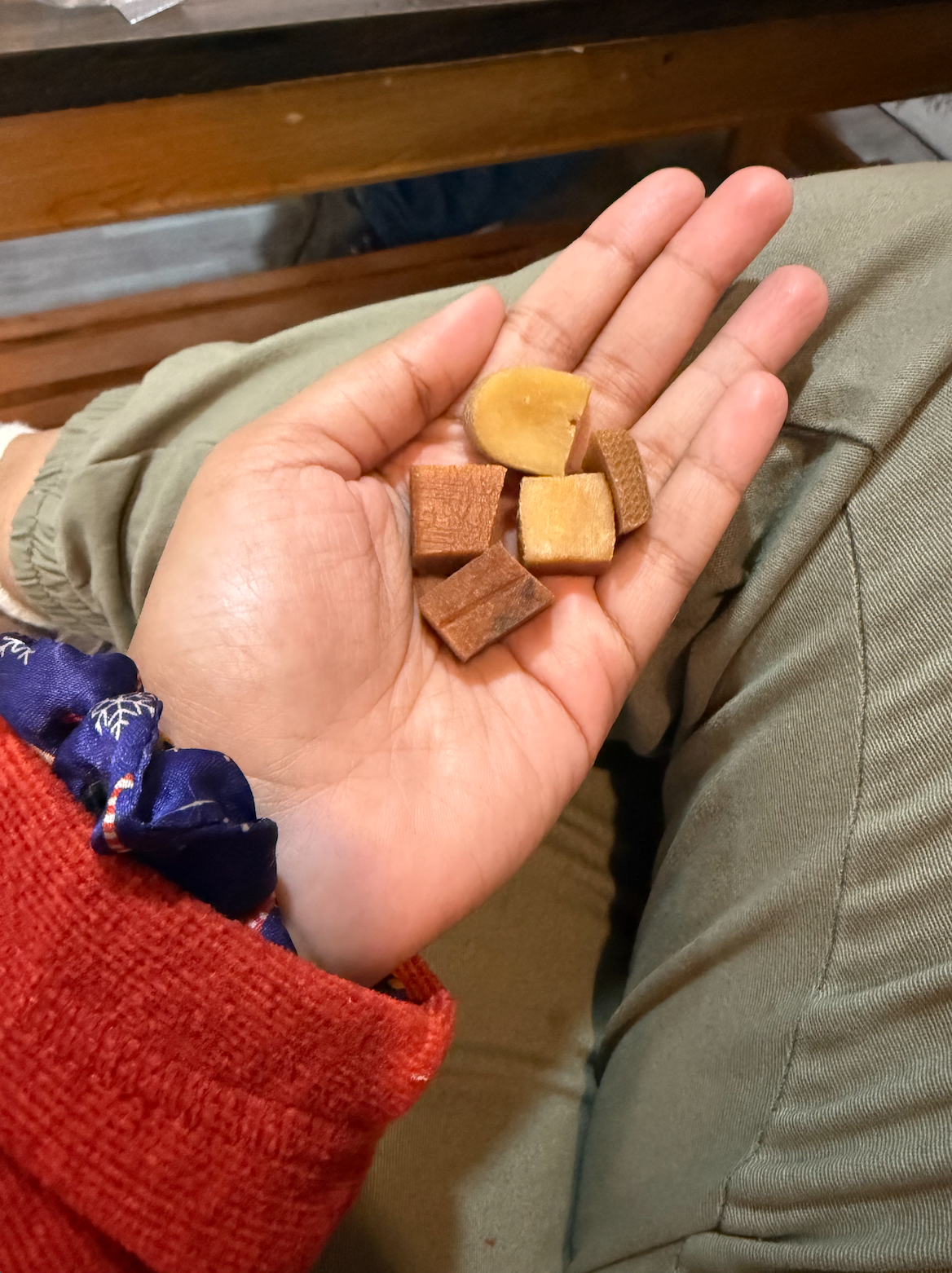
Spend a week if you can. Wake up to cold, misty mornings where the snow-capped peaks appear and disappear behind drifting clouds. Walk along the streams, sit on a rock, and watch the water rush by. Spend evenings on a balcony staring at the clearest starry sky you’ll ever see – no light pollution, no noise, just silence and stars. Roam the streets slowly: take photos of the wooden houses, the prayer flags fluttering… Pop into every little shop, buy a packet of biscuits or ‘churpi’ (yak cheese that’s as hard as rock), and chat with the shopkeeper. In a town this small, you’ll start recognizing faces by day three – someone might even invite you for tea. I felt completely safe, so you don’t have to worry about going alone if you don’t have company.
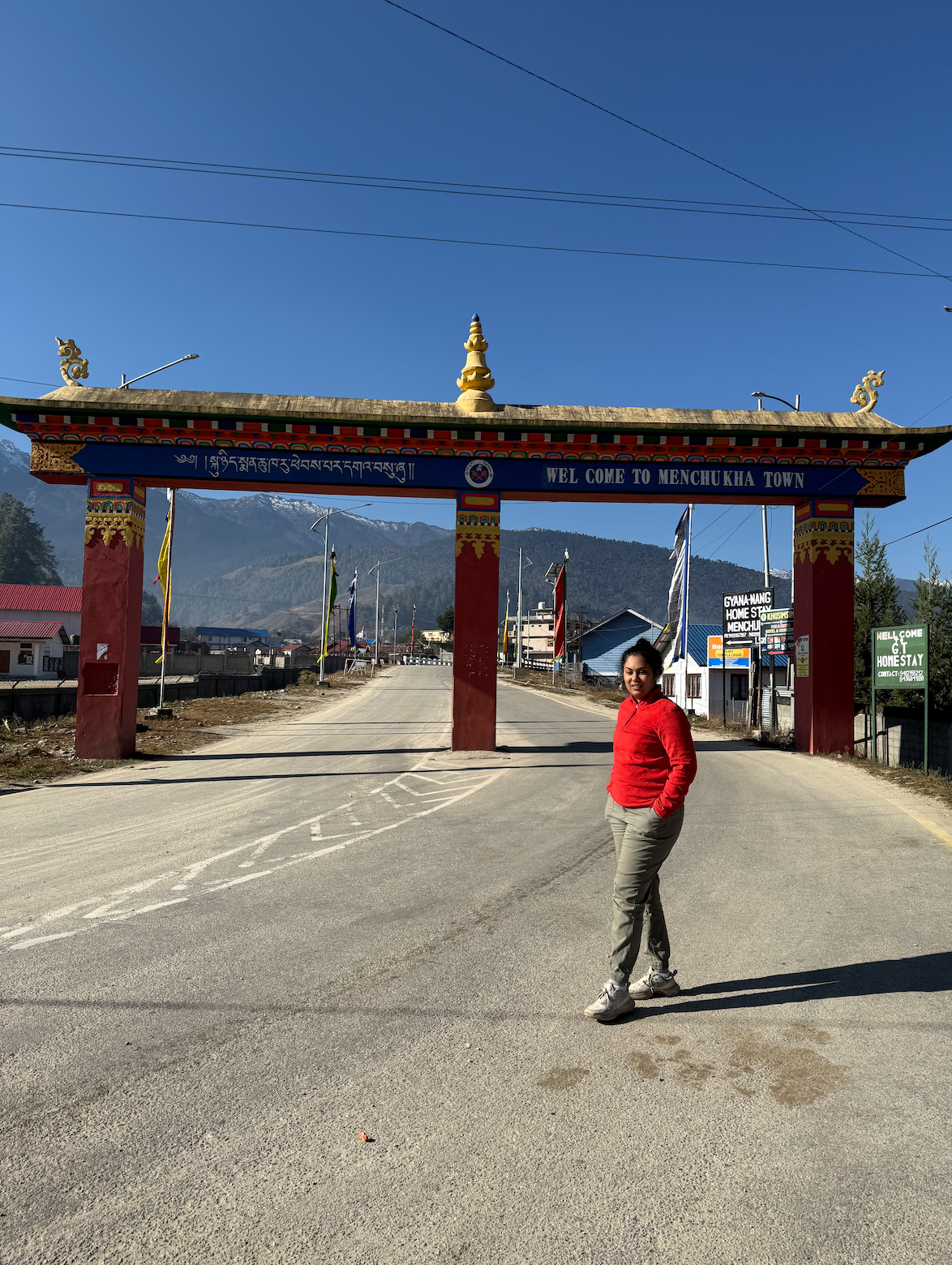
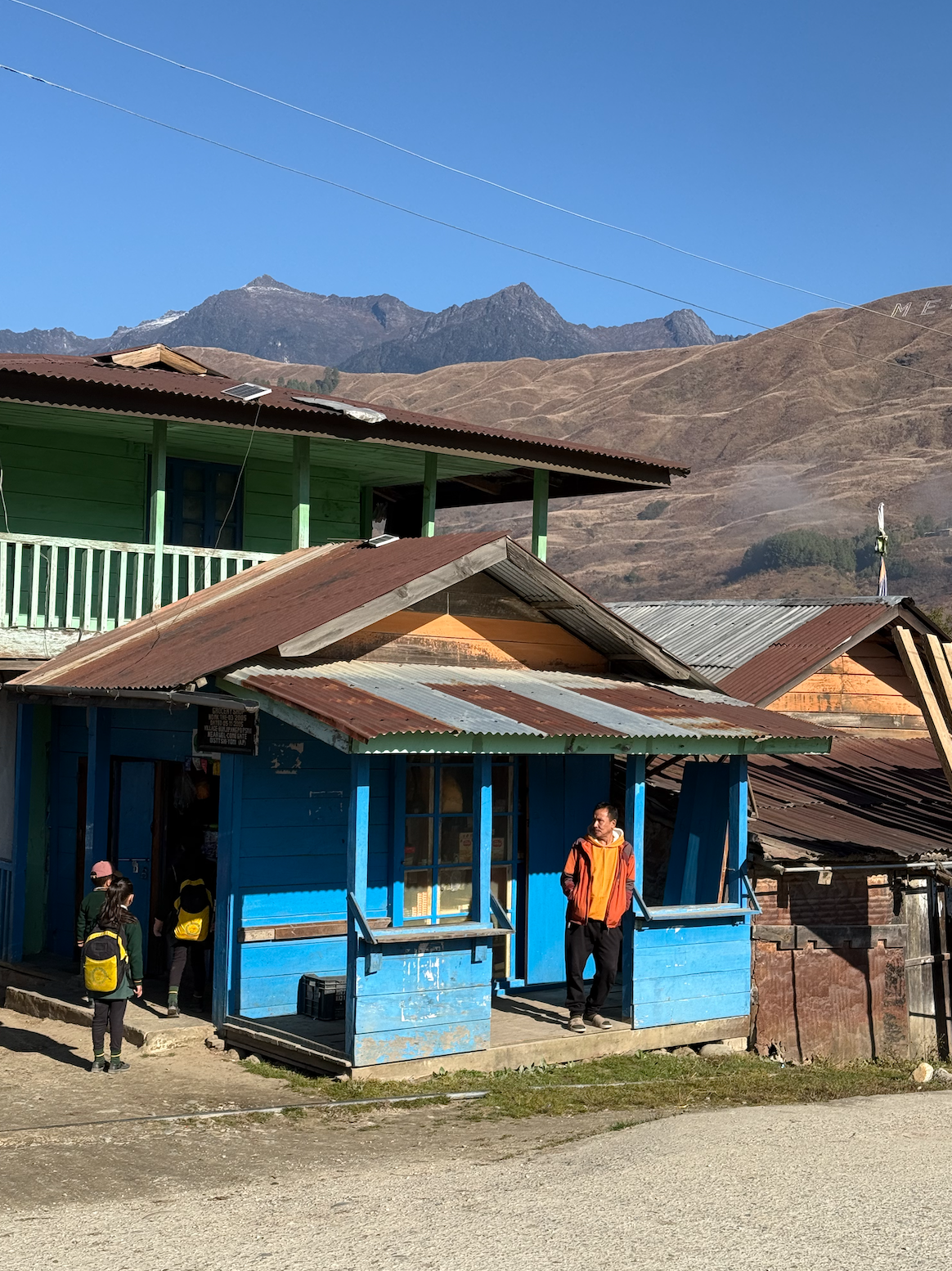
I noticed that Mechuka is developing fast. New homestays are going up, more tourists are trickling in, and the road is improving bit by bit. The untouched charm won’t stay forever. So if you can swing it, stay longer. Let the days blur. Let the phone stay off for hours (it will, more on that below). Get used to the quiet and let the valley teach you how to slow down. Two days will give you the postcard version; a week will give you the real Mechuka – the one that stays with you long after you leave.
Best Time To Visit Mechuka
I visited in November, when the days were cool and sunny, and at night, the temperatures hit zero. Being a girl from the sunshine state of Goa, with its hot and humid weather, I loved shivering under the blankets and warming up my numb hands with a hot cup of chai. The best time to visit Mechukha is from October to April, when the weather is crisp and clear, and the snow-capped peaks are visible. It’s the best time to go out for walks and soak in the beauty of Menchuka.
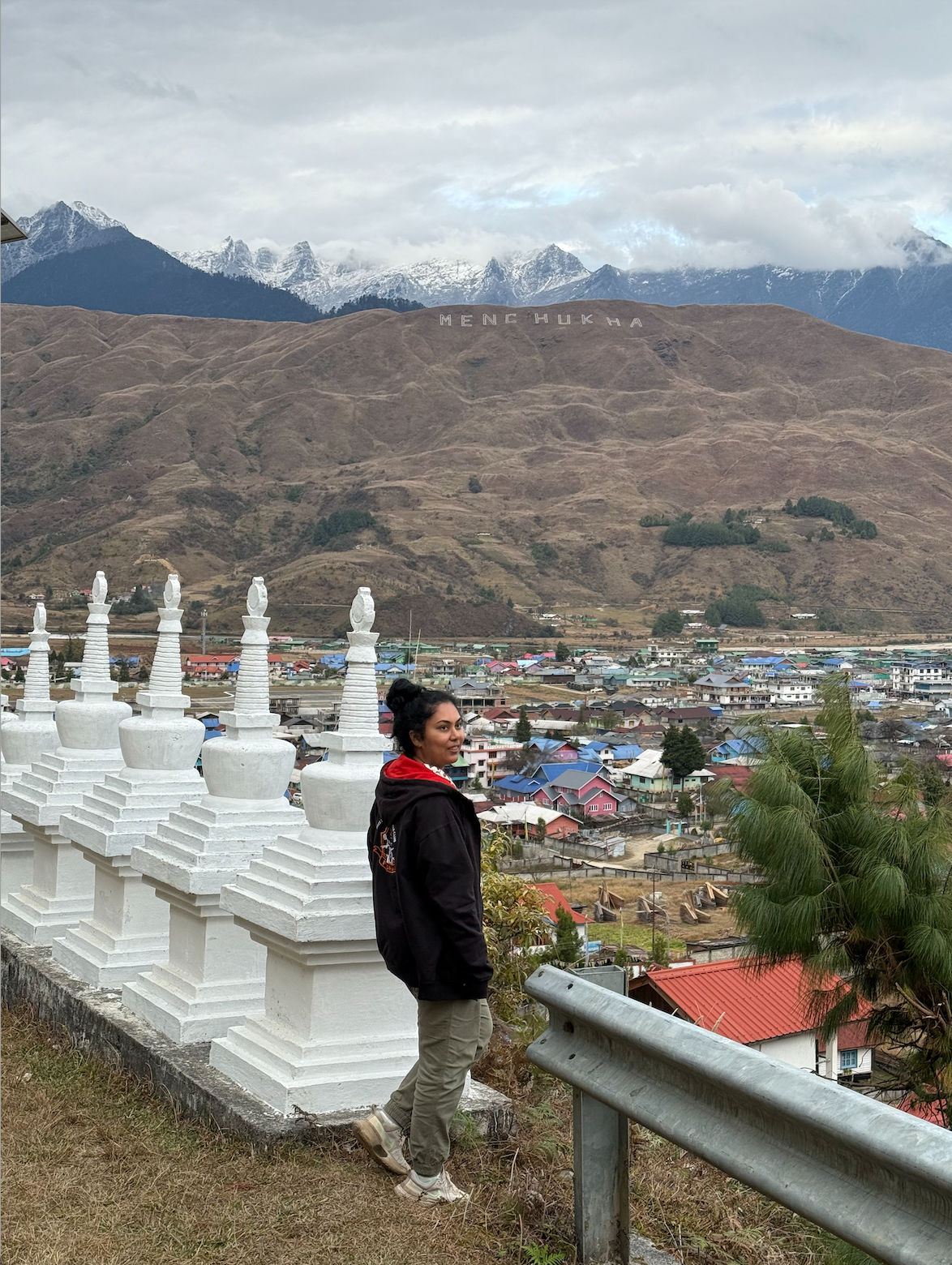
Winters (December–February) bring biting cold (down to -5°C or lower at night) and possible light snowfall, adding to the charm for those who love rugged, off-grid vibes, but pack heavy woolens, thermals, and windproof layers.
Avoid the monsoon (June–September) – roads become treacherous with landslides, heavy rain, and low visibility, making the already tough journey from Aalo even more challenging and often unsafe. Spring (March–April) and post monsoons (October–November) offer the sweet spot with milder temperatures.
Where to Stay in Mechuka
In Mechukha, you will have quite a lot of stay options, and the focus here needs to be on immersion rather than luxury. Homestays are hands-down the way to go – especially if you’re traveling solo or enjoy meeting locals and diving into culture. Here, I found them to be cost-effective (₹600–₹2,400/night), authentic, and, like always, they give you that “staying with family” feel in a remote Himalayan valley, which is priceless. The town is small enough that location barely matters – you’ll manage to see everything in a day or two of wandering anyway.
As I drove around, several names caught my eye: Lhasa Homestay, Mountain Homestay, River View Homestay, and Hornbill Homestay, to name a few. Many new ones are under construction, but the current ones feel genuine and unpretentious. I even saw one that had a row of wooden cabins with each one painted a different colour, as they have in Cape Town or Australia!
I ended up choosing a hotel over a homestay: The Myst Hotel Menchukha, which was on one corner of the town, close to the monastery. Although I chose a mid-category room, it had a lot to be desired. Nevertheless, the room was clean, large, and comfortable with a soft bed, an attached bathroom, a TV, a wardrobe, toiletries, and a handheld heater to heat water in a bucket (which took an hour to do). On the downside, the room heater didn’t work, there were remnants of the previous guests’ trash in the bins, and other little annoyances, though. I actually picked a hotel over a homestay, hoping for better facilities such as Wifi, a generator, a geyser, etc., but quickly found out that in rural Arunachal, every establishment is at the mercy of what’s available on the terrain. The only advantage was that since The Myst Hotel was at a slight elevation, the view of the town and looming mountains from the common balcony and the front yard were beautiful!
The restaurant served excellent à la carte dinner (flavorful local and Indian dishes), but breakfast and especially the tea weren’t to my liking. At around ₹2,500/night, it was quite alright. But knowing what I know now – that the facilities are the same, and a hotel offers no added comfort, especially to someone who works remotely, a homestay would have been cheaper and offered an authentic experience.
Where to Eat in Mechuka
Desi Chai
Over my three days in Mechuka, this was one spot I returned to every single day – sometimes more than once. This tiny little teashop has multiple signboards scattered for kilometers along the approach road into Menchuka valley, and after hours of winding roads with nothing but deep gorges, pine-covered hills, and endless blue skies dotted with clouds, those signs stick in your head. Smart advertising at its finest – because the moment you enter town and look around to get your bearings, there’s Desi Chai, right on the main street, easy to spot.
On our entry into Mechuka after a night of no dinner, hunger hit hard. We ordered two plates of samosas – they came cold and hardened by the chilly weather, but in that ravenous state, they tasted delicious anyway. Hungry people have no patience to make reheating requests. The shop has a small selection of snacks (Maggi, pakoras, etc.). Portions are small-cup size, but I’d happily order multiples.
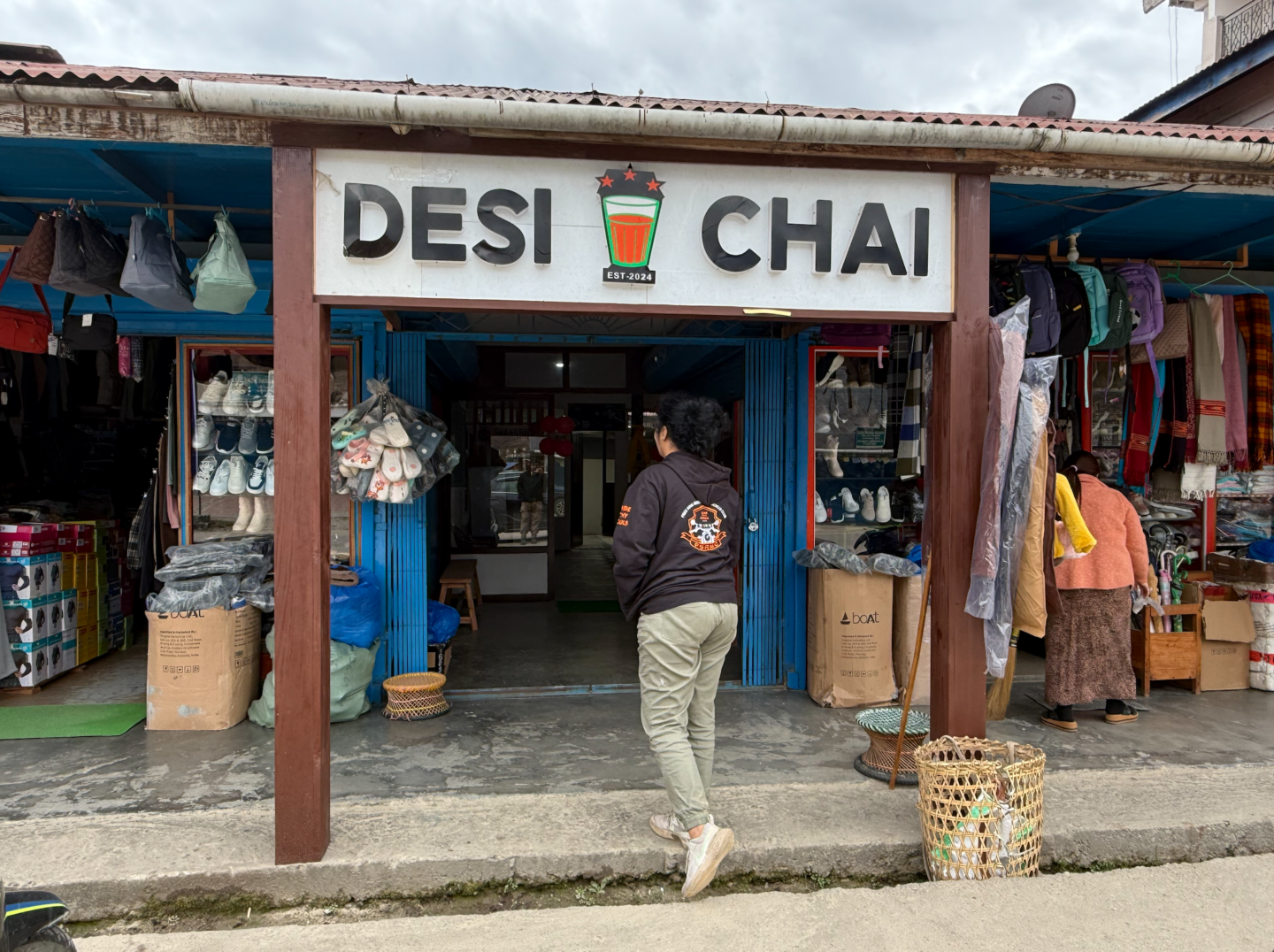
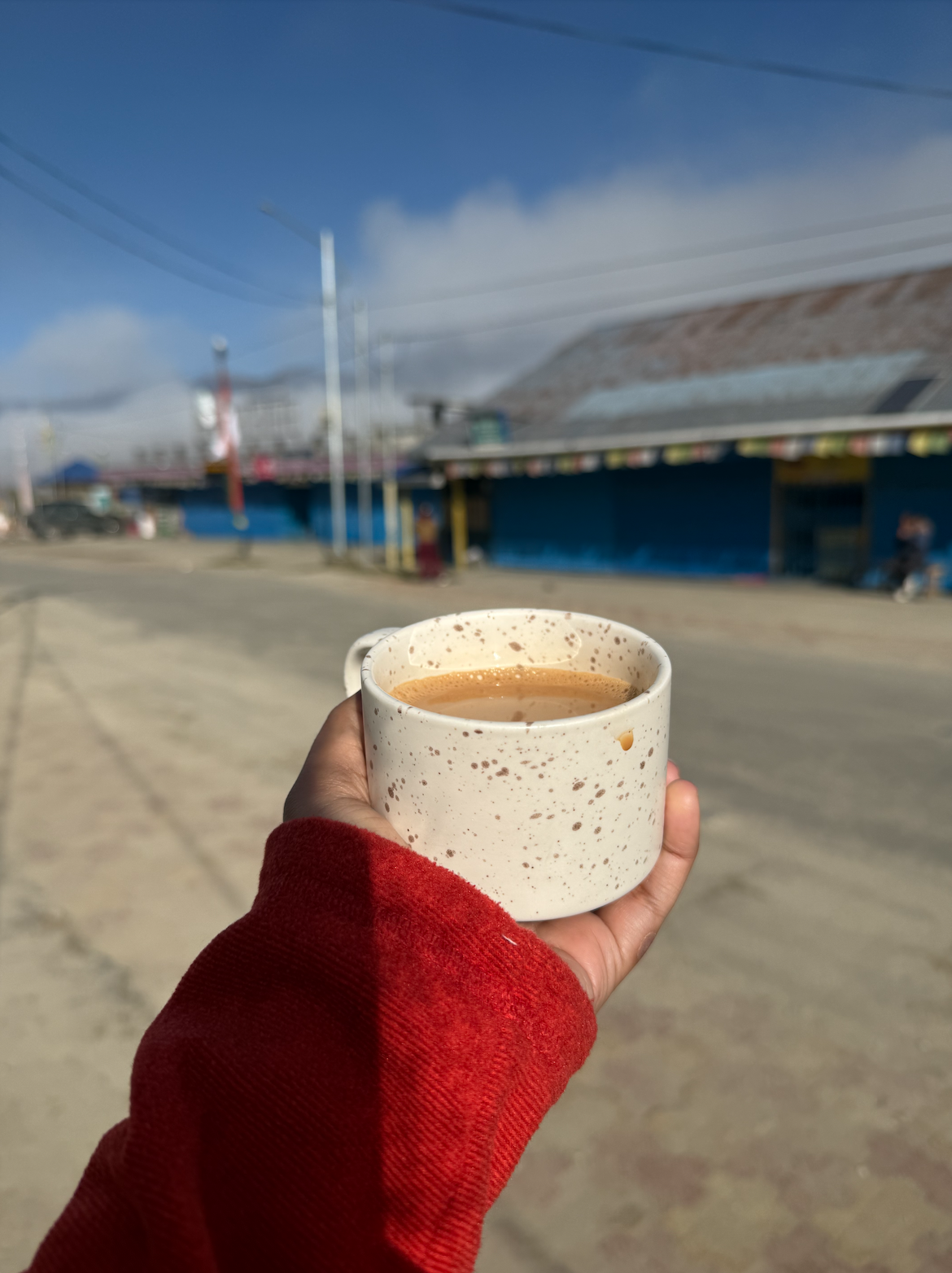
Over the next few days, I realized almost everyone else had the same story: pull over after the road, craving warmth and spot Desi Chai like divine providence. The menu has the familiar lineup – Masala Chai, Lemon Tea, Chamomile, Darjeeling, Black Coffee – but also some lesser-seen ones that caught my eye. I ordered Allam Bellam Chai (ginger-jaggery tea) out of curiosity on day two and loved it so much that it became my standard order.
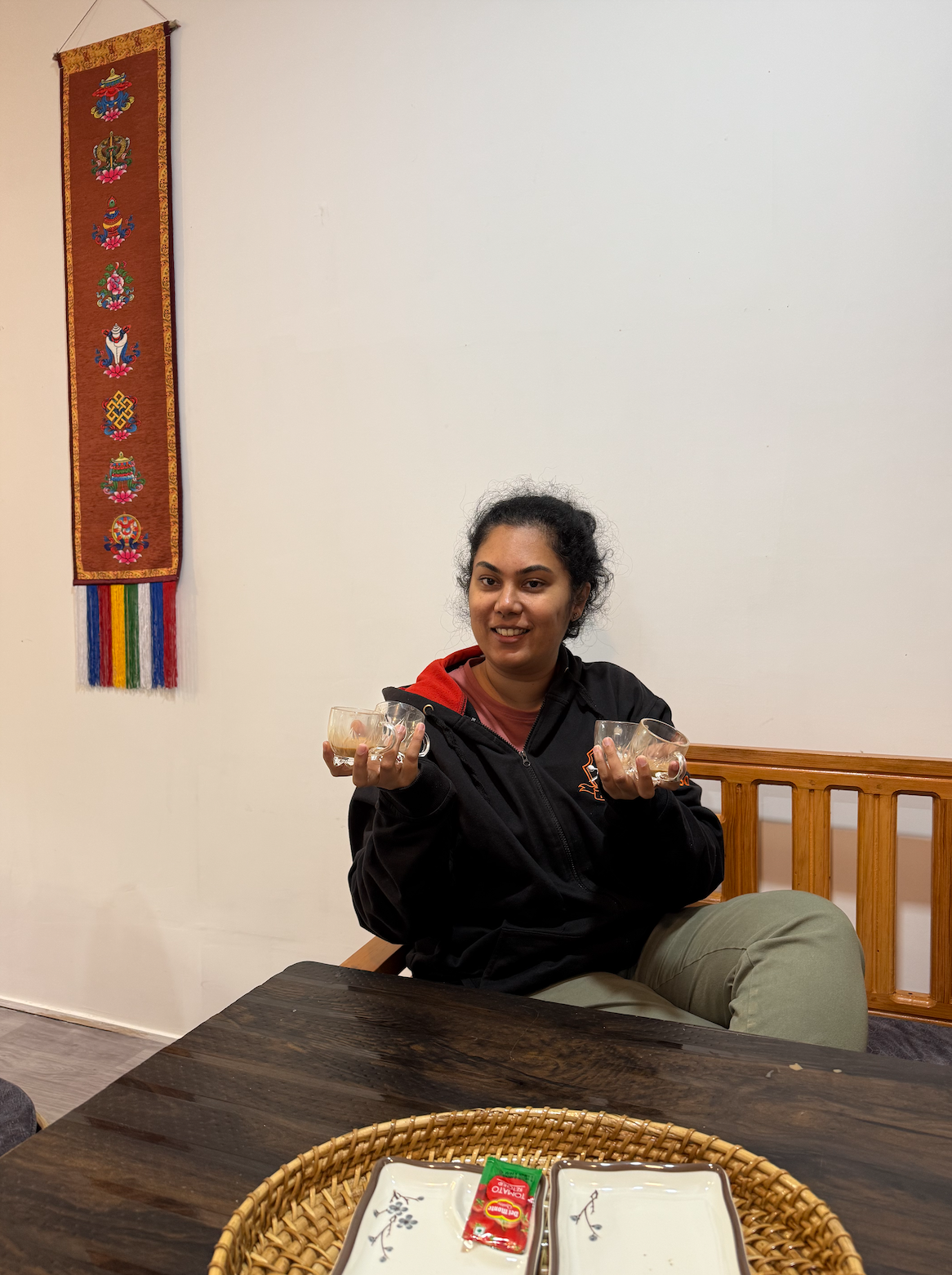
The lady at the counter was always pleasant; by day two, we’d become regulars, and she’d chat a little – asking about our drive, where we were from, sharing quick local tips. Desi Chai was reliable, warm, and perfectly timed for anyone rolling in after hours on those rugged roads.
Norsang’s Kitchen
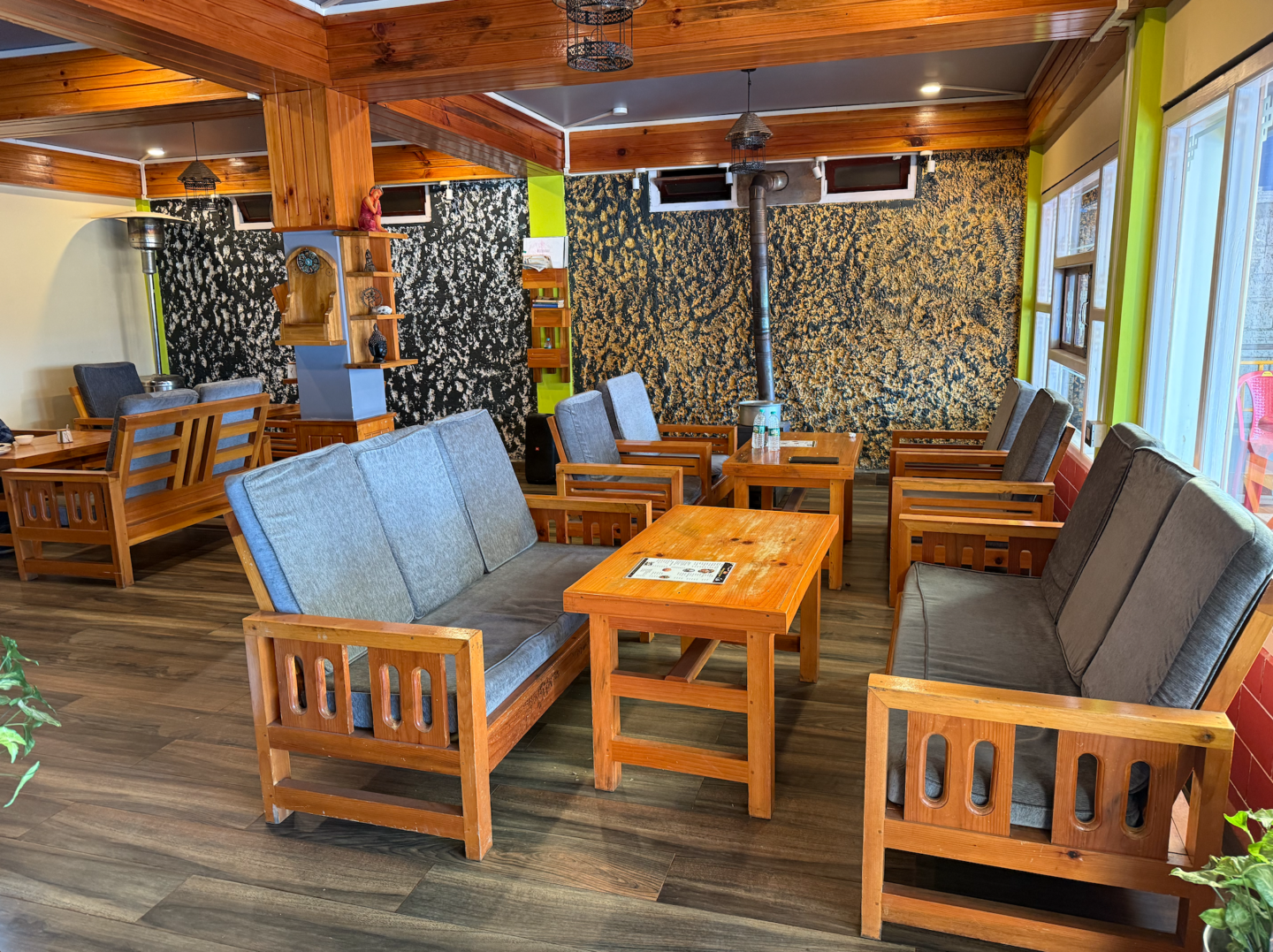
In the bone-chilling cold of Mechuka, stepping into Norsang’s Kitchen feels like finding a warm hug in the middle of nowhere. Perched on a hillside overlooking the town and opposite the Samten Yongcha Monastery, this cozy 20-seater is one of your two dining options in the valley. Naturally, it is usually full, with army families (officers often bring wives and kids), and travelers crowding in for the comfort. The interior is thoughtfully done: wooden accents, comfy seating, and massive windows that frame jaw-dropping views of snow-capped peaks and the valley below, turning every meal into a postcard moment.
View this post on Instagram
Outside, there’s a small deck with benches where you can sit and soak in the sun during the day (a real thaw-out spot), though nights are too biting for stargazing. The kitchen opens into the restaurant and is run by the owners themselves, so everything comes out fresh and with real care – nothing feels mass-produced or watered down.
I’d definitely say this is the prettiest restaurant I’ve been to in a mountain town. The majestic views, and authentic Himalayan food like thukpa, momos, millet dishes, and specials such as ragi pancakes that add a nutritious twist. The menu is expansive for such a remote spot, with top-notch quality that stands out in a place where choices are slim. We ordered at least a dozen items off their menu when I was there – from the known to the obscure, and each one was great. If you’re in Menchuka, don’t miss it – it’s the kind of spot that makes the remoteness feel rewarding.
Buddha Kitchen
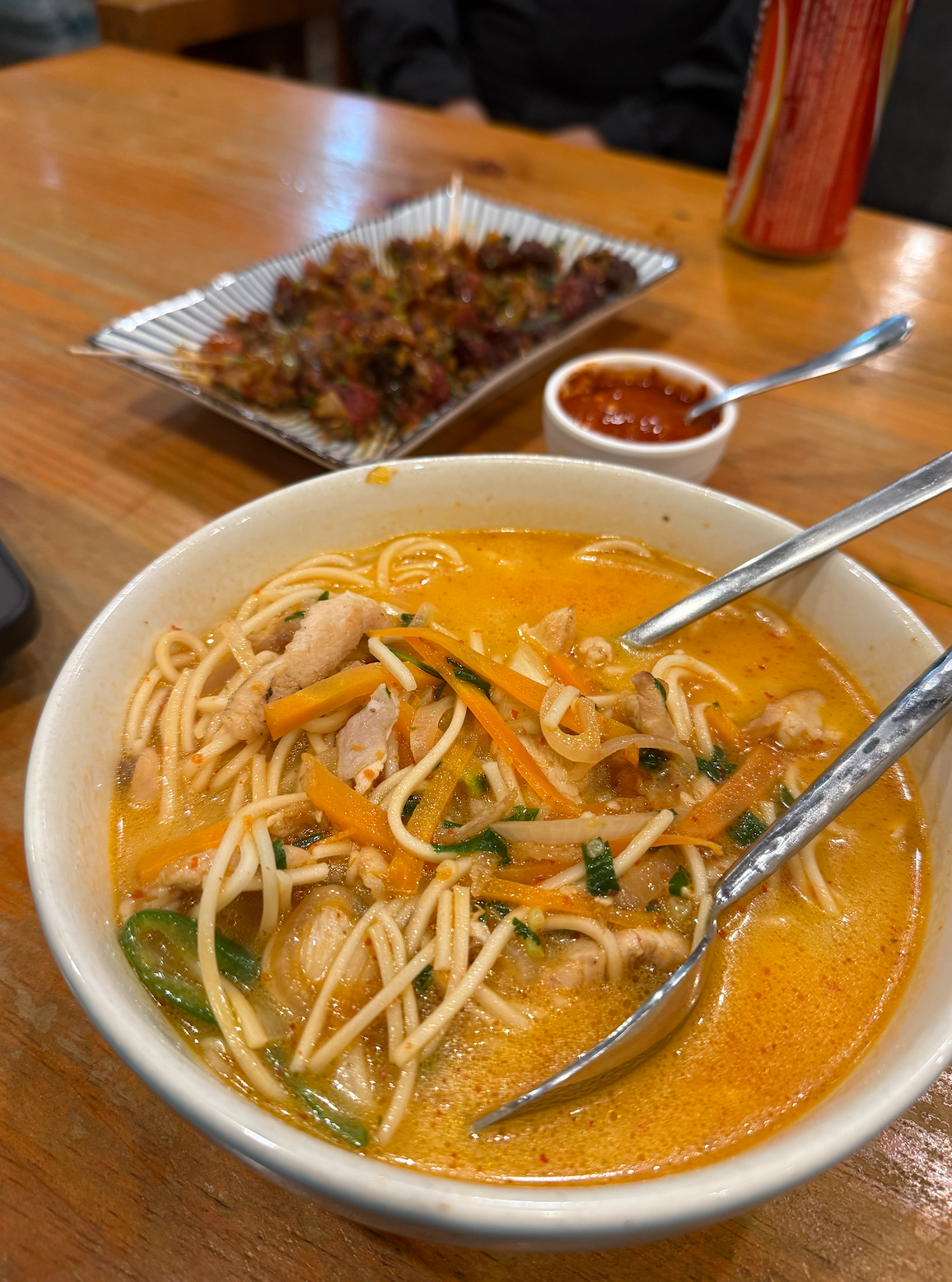
Buddha Kitchen in Menchuka is an affordable, rustic, and comfortable joint, making it a magnet for both tourists and locals. Conveniently located in the main market area overlooking the airstrip (easier access than Norsang’s, which is on the hillside), it’s modest but spacious, with a menu that leans into homely flavors at very reasonable prices. I dined here twice, and the chicken thukpa was a standout – rich broth with perfect spice and heat to chase away the shivers in your bones, while the pork fried rice delivered simple, satisfying depth. For lunch, stick to the “lunch plates” (like thalis) – pork, chicken, or veg options that come out fast since most folks order them; the pork is flavorful but fatty, so chicken’s a safer bet if you’re picky. Ordering à la carte during peak lunch means longer waits.
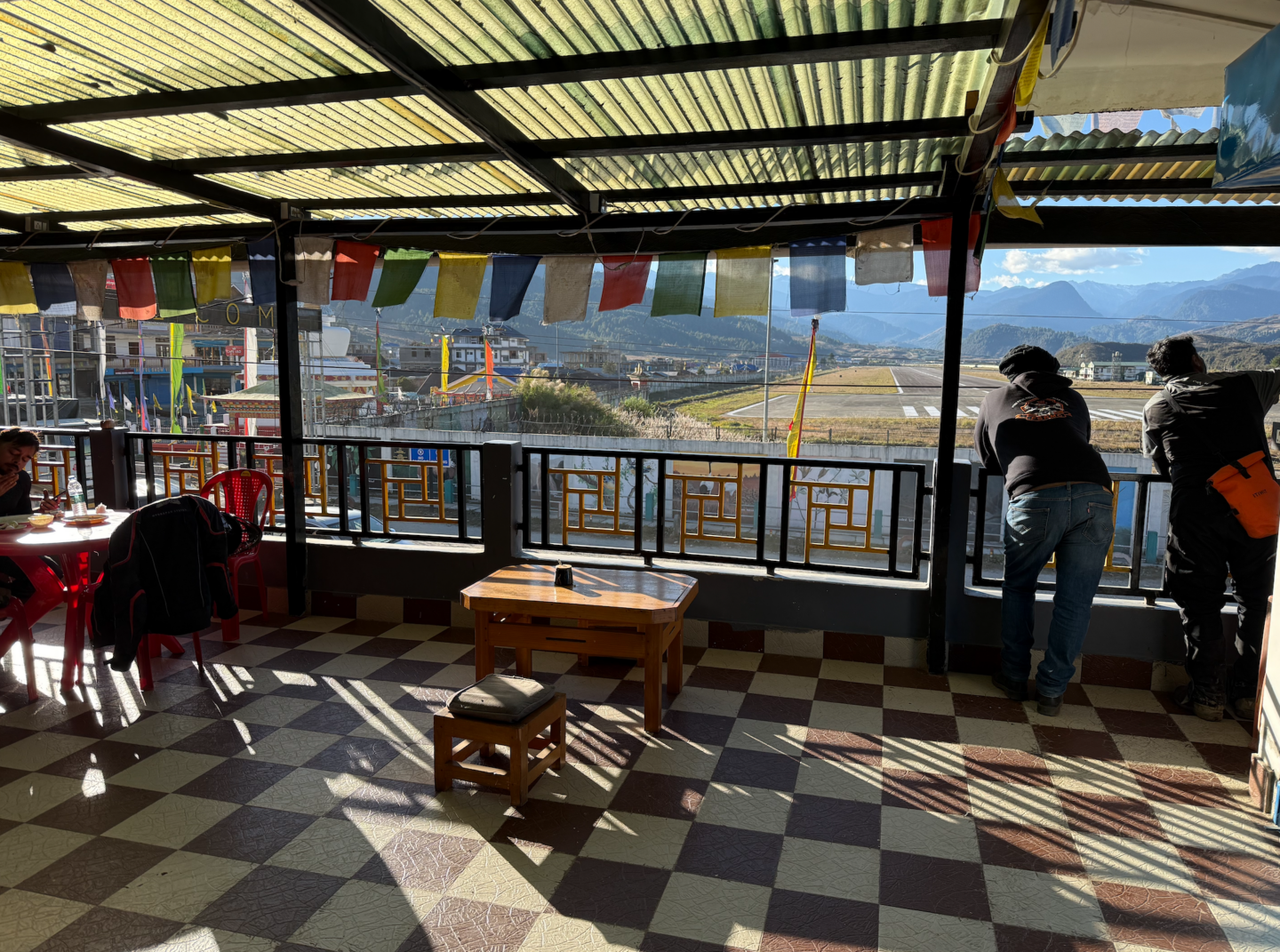
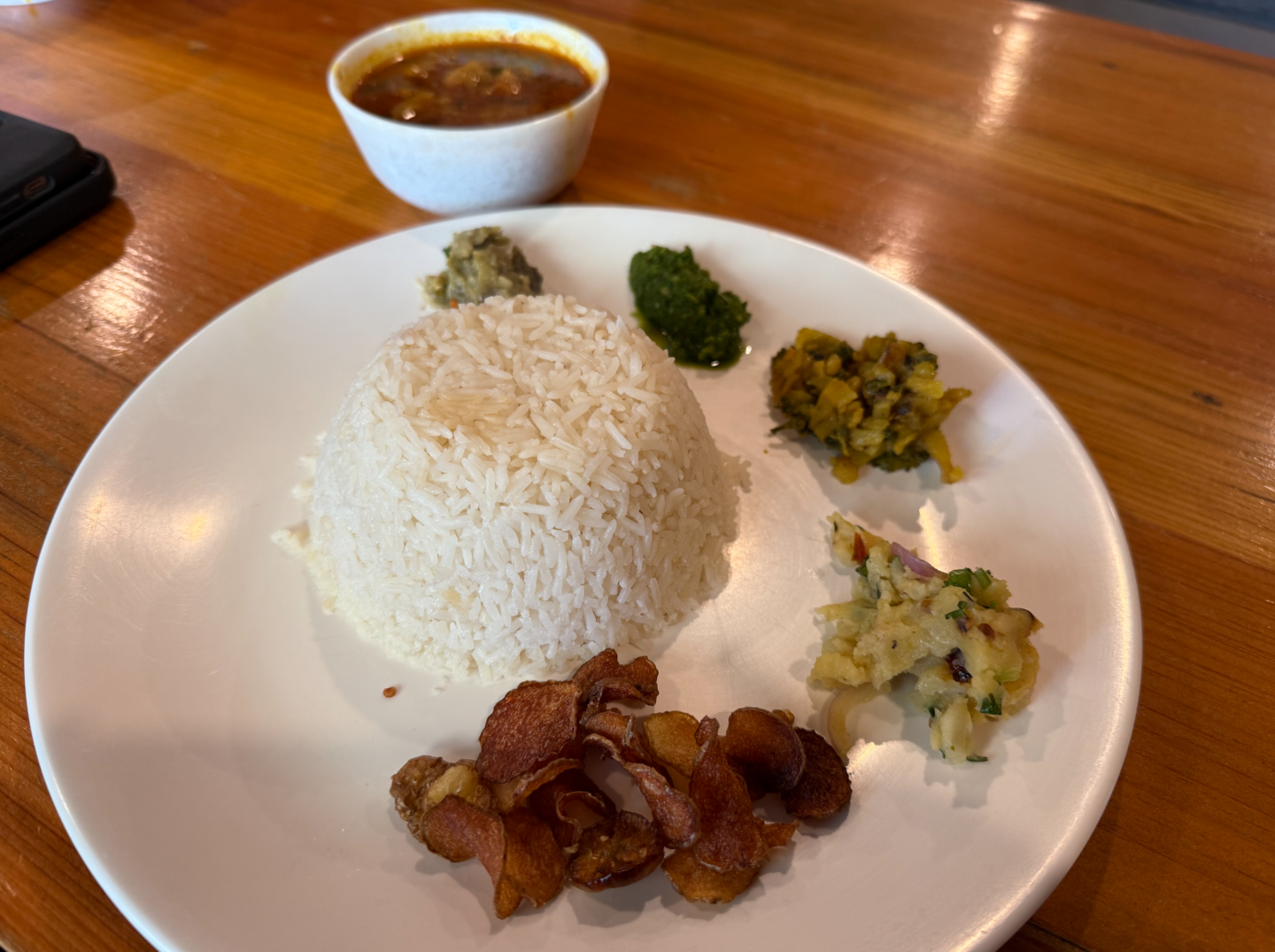
The Buddhist prayer flags fluttering in the balcony breeze, heaters cranking at night (drawing army families for drinks and warmth), and the view of the airstrip add to the charm. It’s more like the valley’s “local pub” than a fancy eatery. Overall, between the two main restaurants, Buddha Kitchen feels grounded and accessible.
Things to do in Mechuka
Samten Yongcha Monastery
Samten Yongcha Monastery (also called Samten Yangchag Gompa or Old Gompa) sits quietly on a breezy hilltop overlooking the valley and the Yargyap Chu river. It’s a charming wooden gompa of the Mahayana (Vajrayana) sect of Buddhism, believed to be around 400 years old, dating back to the 17th century (some sources say as early as the 14th or 1680). It stands as a silent witness to centuries of history in this remote Himalayan valley.
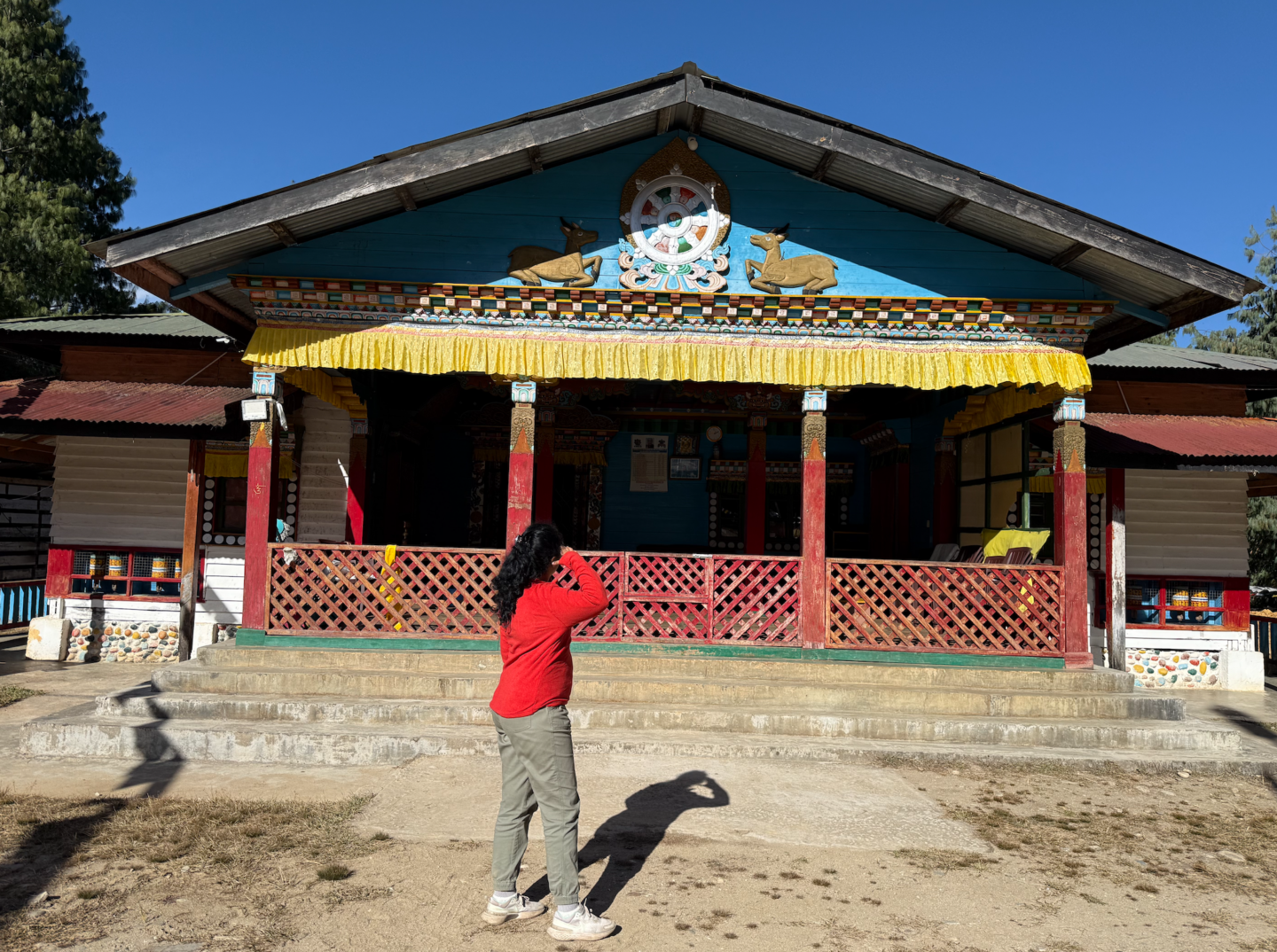
I visited a couple of times during my stay, but it was closed every time. There were no signboards with timings, no posted hours, and no visible activity. You can’t even peep through the windows to glimpse at the ancient interior sculptures/statues or colorful murals that monasteries in Sikkim or elsewhere usually flaunt. It was also much smaller than I expected-perhaps only a little bigger than the typical houses in Mechuka itself – humble and unassuming, without the dozens of red-robed figures, young or old. That quiet, almost hidden quality fits Mechuka’s offbeat charm perfectly, though it left me wishing for a peek inside those ancient walls. I saw a reel showcasing the interiors, and it had old, red statues, along with sacred, historic, and ancient scriptures. If you’re lucky enough to find it open (early mornings or during festivals might be better), it’s worth the short hike up the hill. You can go up by car and park right next to the monastery, too.
Walk or Drive through Dorjeeling Village
Not to be confused with Darjeeling in West Bengal (the famous hill station), Dorjeeling is a tiny, picturesque village just 20–25 minutes from Mechuka town, often reached by crossing the Yargyap Chu river by taking a short drive, or even trekking. It’s a peaceful hamlet with scattered wooden houses, traditional Memba architecture, open meadows, and rolling hills.
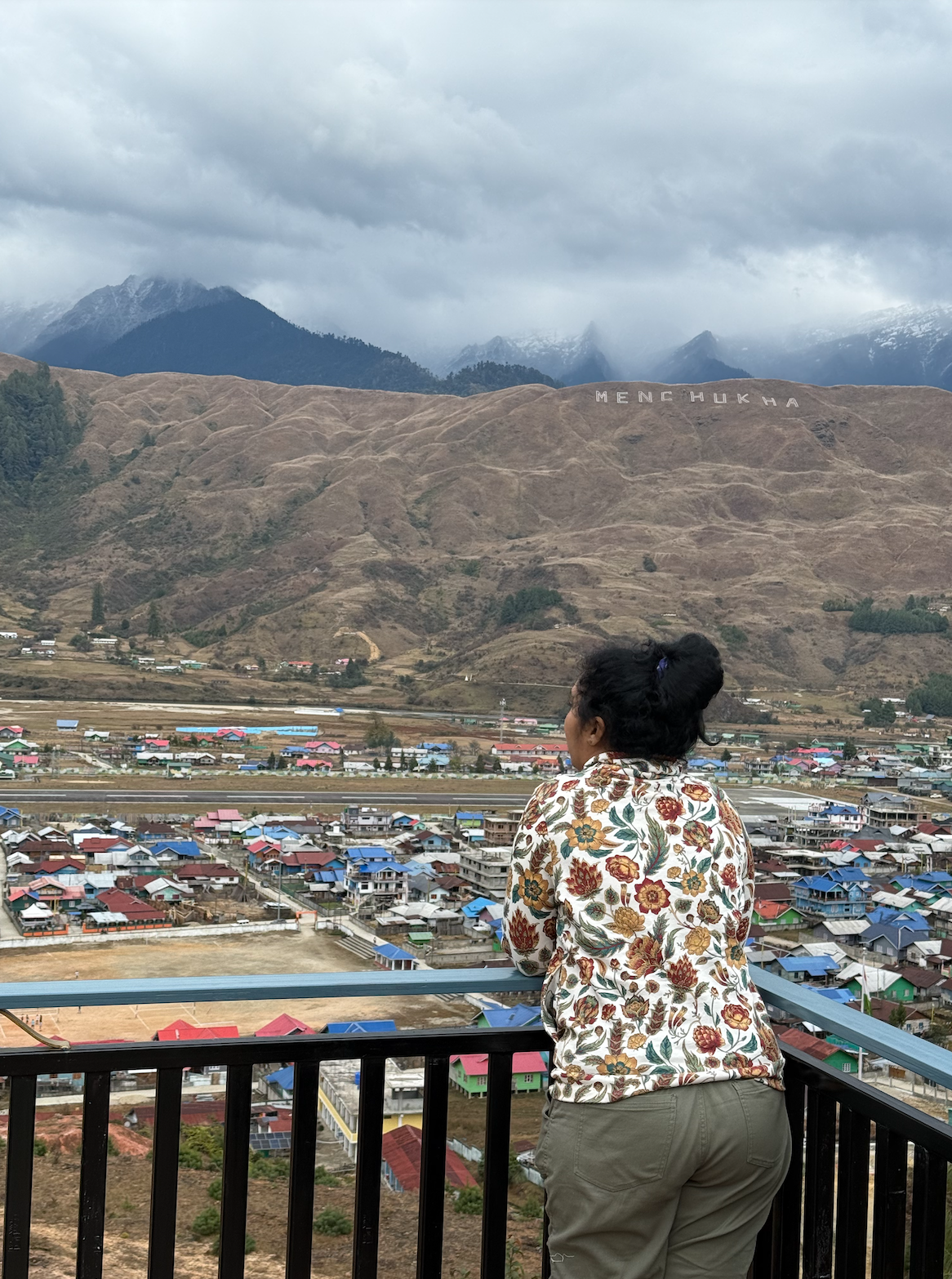
After sauntering through Mechuka’s quiet streets, a quick detour to Dorjeeling feels like the natural next step. It’s extremely serene, with untouched beauty that lets you breathe deeply – meadows stretching out, hills rising gently, and that pristine Himalayan quiet where the only sounds are wind, distant river flow, and occasional birds.
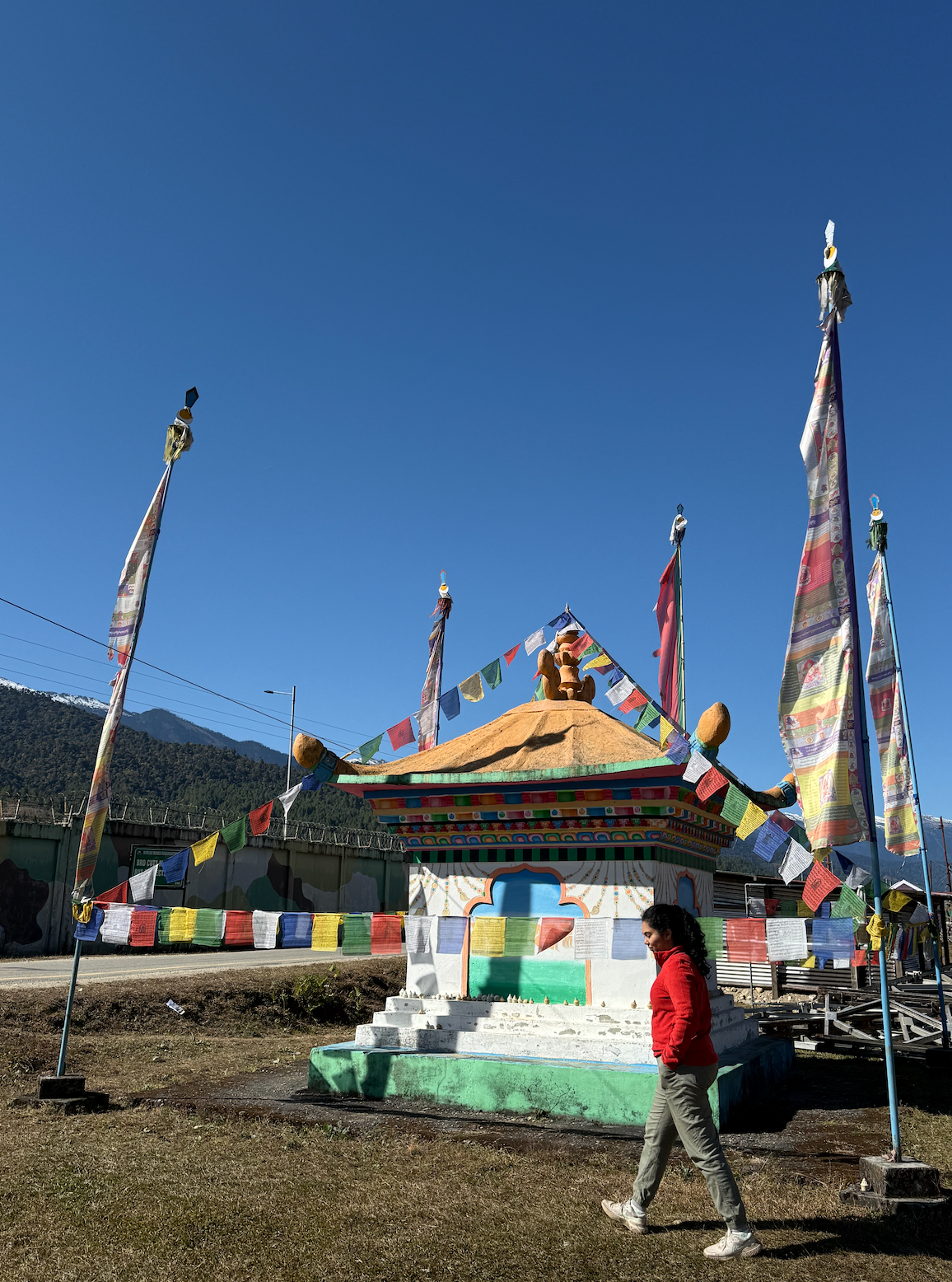
Mechuka Buddha Park
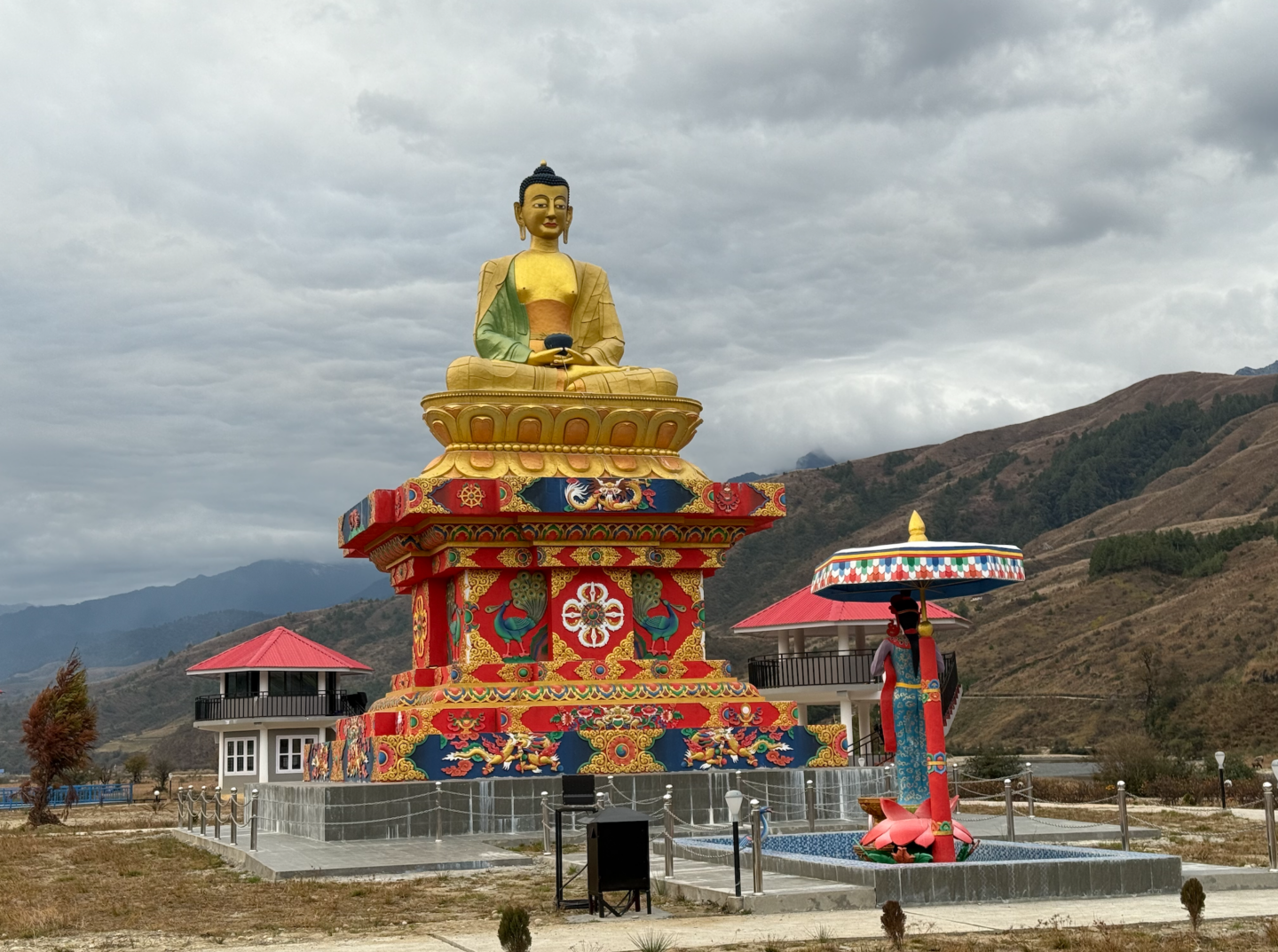
Mechuka Buddha Park has a massive golden Buddha statue (around 40+ feet tall, dominating the skyline) set against the rugged hills and open meadows. There’s no elaborate park layout, no ticket counters or crowds – just the statue standing serene on a raised platform, making it feel both grand and humble at the same time.
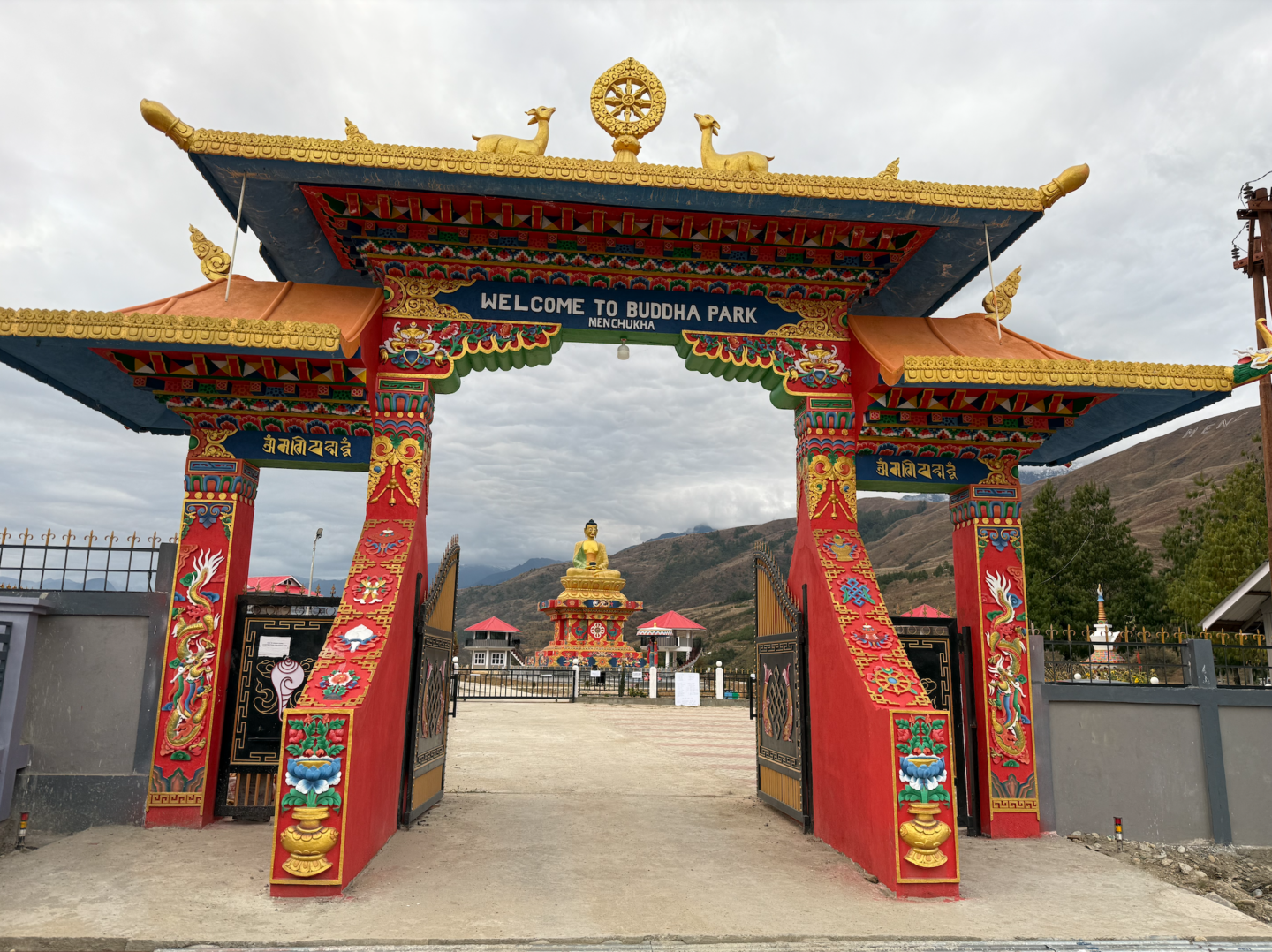
There’s really nothing “to do” beyond stopping, looking up, snapping a few photos, and proceeding. It’s a quick, scenic pull-over rather than a full attraction. There’s no entry fee, no timings, no facilities; it’s just there, watching over the town like a quiet guardian. That said, the open space around it makes for a nice short walk or pause to breathe in the crisp air and take in the valley views. In a place as small and slow-paced as Mechuka, where every street already feels like a scenic stroll, this spot blends right in.
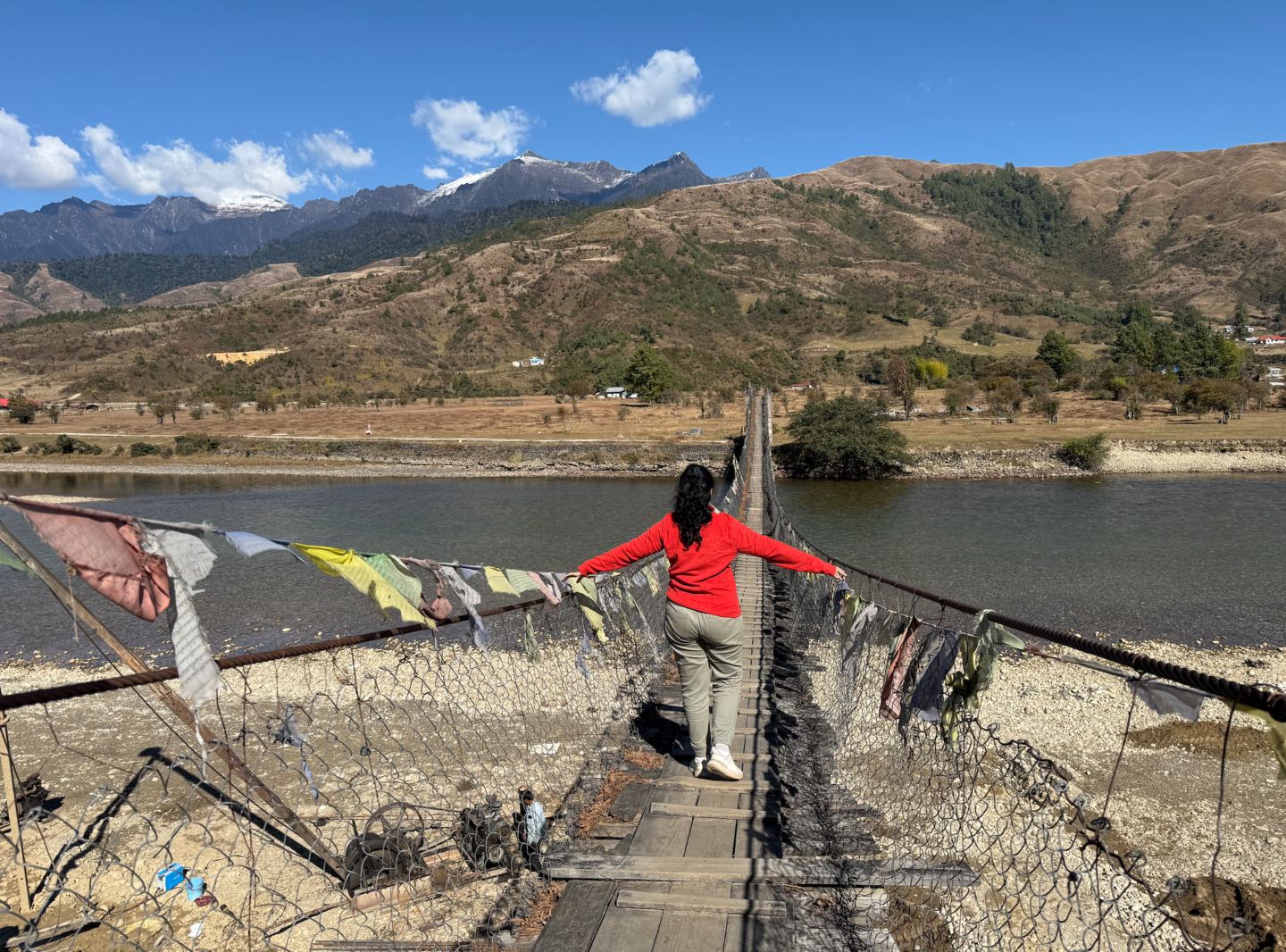
Other things to do (which I didn’t) include visiting a gurudwara and going on many hilly treks. There is a wooden bridge stretching across the Siang River, which I walked across, but again, it’s not a “thing to do in Menchukha,” just something you’ll inevitably see and perhaps do yourself. There was also a craft museum that I was keen on visiting, but it was shut every time – perhaps my timing was off.
You can also get a Permit to Visit the Indo-China Border. All you need to do is apply for a special permit (Inner Line Permit extension or Protected Area Permit) at the DC office in Aalo or through your hotel/homestay in Mechuka. It’s not automatic – you need to apply in advance, and it’s usually granted for a day trip. The drive takes you past military checkpoints to a viewpoint where you can see the border line, Chinese posts, and the river separating the two countries. Check current rules with locals or your homestay host – things change quickly here.
Important things to know about travelling to Mechuka
Network Issues
Being so close to the border, phone network and internet in Mechuka are unpredictable at best – suddenly gone, then back, with no pattern, no schedule, no warning. On our first day, everything worked fine until around 9 PM sharp, when the signal vanished completely as I was logging on to a Google Meet with an international client. It returned the next morning at 11 AM, only to drop again at 4 PM and reappear by 8 PM. The pattern repeated: on, off, on, off – like the valley itself decided when we could connect to the outside world.
There’s nothing you can do about it. No backup phone number, no call to the provider, no fix. Locals treat it with complete nonchalance. When I asked the hotel receptionist when the network might return, he shrugged and said, “Aate jaate hain, tourist jaisa” (it comes and goes, just like tourists do). For them, it’s normal life. For me, it was panic – I’d fixed client calls, I had to communicate with my team, I had deadlines that didn’t pause and I’d tell someone I’d call them in 10 minutes, only to find out the network stopped and resumed the next day. SMS didn’t work either, so there was no way to warn anyone that I was suddenly offline – not even my family, who may worry if I’m uncontactable for a day in a remote mountain village. I had to make peace with disappearing from the radar.
Because there’s zero information online about this – no blogs, no forums, no travel guides mentioning this – I was unprepared. Eventually, we stopped fighting it. We accepted that in Mechuka, connection is a privilege, not a right. The quiet that replaced the notifications was, in its own way, a gift. We read, talked, walked, and stared at the mountains. The valley didn’t need our emails or Zoom calls to keep existing. It just kept being. If you’re heading there, prepare for the same. Download everything you might need offline. Tell people you might vanish. And when the bars disappear, let them. The silence is part of what makes Mechuka unique.
Planning to visit Menchukha?
If you’ve ever craved a place that doesn’t perform for you, that just exists – Mechuka is waiting. Have you been, or are you planning to? Drop your thoughts and experiences below – I’m already missing the cold and the quiet.

Hi! Did you choose any travel groups or agency to plan and book to visit menchuka please let me know. Thank you
Author
Hello, no I did not. I plan and execute all my trips myself.